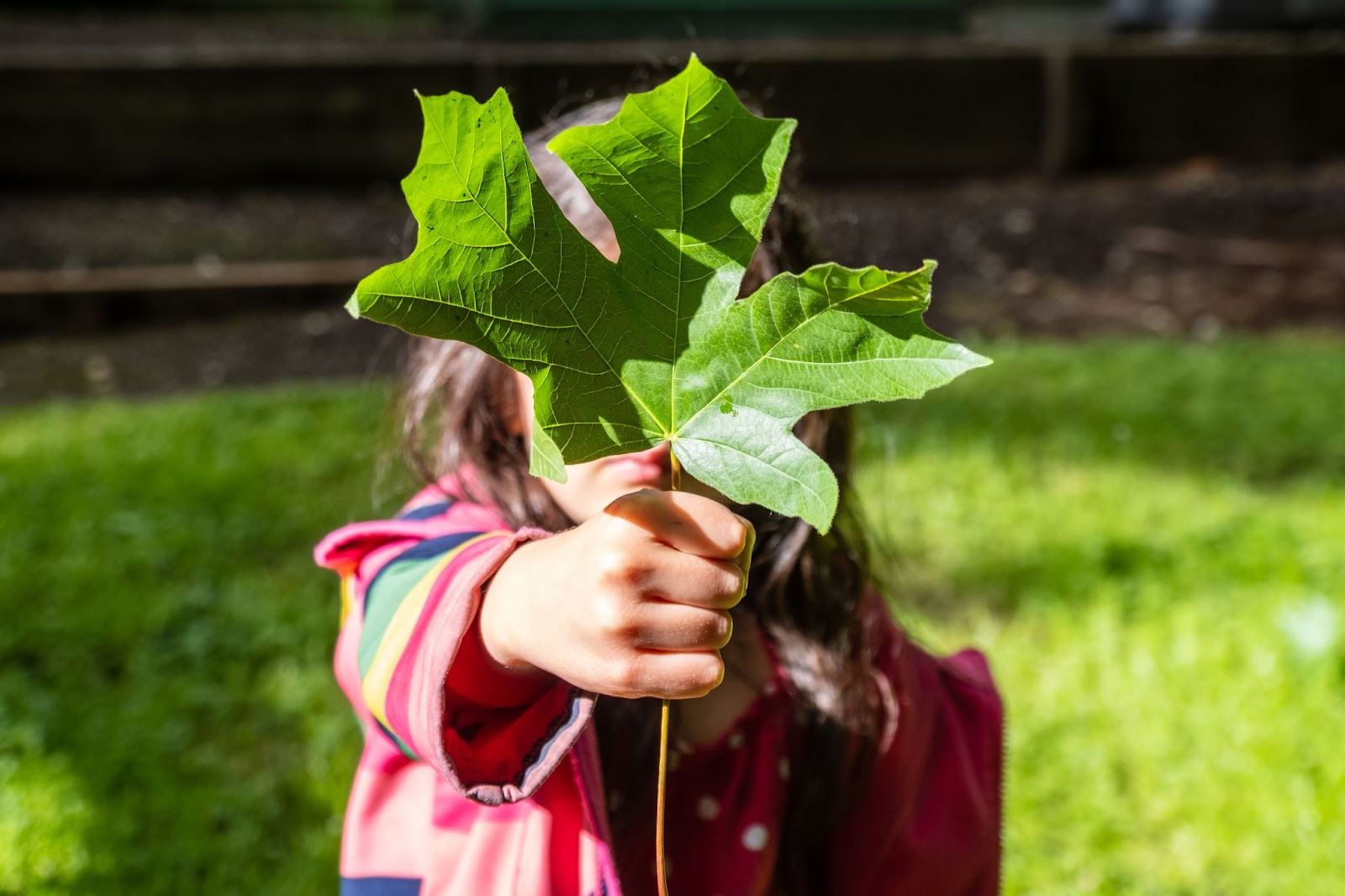
As a dad, it’s important to find ways to encourage your kids to be more creative. This is something that will help them in life no matter what they choose to do. There are many different ways to do this, and we’ll discuss a few of them in this blog post.
One great way to get your kids thinking creatively is by giving them opportunities to express themselves artistically. You can do this by taking them to museums or letting them paint, draw, or sculpt. Another way to encourage creativity is by helping them learn new things. This could mean exposing them to different cultures or teaching them how to play a musical instrument.
Also, one of the tried and tested ways to get your kids thinking creatively is by having fun with them. This could mean playing games, telling jokes, or going on adventures together.
Karaoke is a great way to get your kids thinking creatively. Not only will they have fun singing their favorite songs, but they’ll also be using their imaginations to come up with new ways to perform them.
Plus, karaoke is a great way to bond with your kids and create lasting memories together. So what are you waiting for? Break out the karaoke machine and let the good times roll! And, if you’re wondering how you’ll be able to set up a machine like this, have a look down below at some simple instructions that will help you set your kids’ karaoke machine in no time!
Mossy the Manatee follows the journey of a Florida manatee who is unusually colored in comparison to those of his kind and is therefore perceived as strange. Along with his unique appearance, another aspect that sets him apart is his unusual wish to feel the snow on Cape Cod. Because manatees can’t stand such cold weather, Mossy must do the impossible and find a way to make the journey. With the help of his mom and dear friend, Mossy learns that when he embraces what makes him unique, even his wildest dreams can come true!
The uplifting tale originated from the author’s admiration (or obsession) of manatees as a child, then coupled with a lovely message for all children, the story was born. Originally designed to be a short animation piece, Mossy the Manatee is now a picture book in rhyme that encourages children to embrace what makes them one of a kind.
About the author: Nika Tomljenovic is an author, playwright, scriptwriter, and video game writer. She received her MA in Creative Writing from City, University of London. Her plays, Medicine and Spectacular, have been produced in New York City and throughout Canada. Her screenwriting credits include the short film, No More No Less, which was part of the London-based, Pinewood Studio’s Lift-Off Sessions. More recently, Nika has been adapting her writing to video games in the crypto space and children’s literature.
Hearing discussions about climate change and environmental destruction may be fascinating and worrisome for young children, depending on their age.
It can be difficult for parents to know how much to express without worrying their children. No parent wants their child to grow up without understanding environmental issues.
What is the best way to strike the correct balance?
Many youngsters have lately gone on strike from schools all across the world, citing Greta Thunberg as their inspiration. As a result of the widespread media coverage, it has sparked widespread concern among youngsters about the status of the world. Here, we look at how you can talk to your children about climate change and the environment.
While switching off the television when your child walks into the room may be tempting, it prevents them from learning about the world around them. Young children are more prone than adults to hear misleading stories from other children, which might cause them to feel fearful.
Instead of avoiding the subject of the environment, look for opportunities to speak about it with others. It is critical that young children do not believe they are destined to live on a dying planet, despite the fact that big adjustments must be undertaken. When discussing an environmental issue, emphasise the positive things that can be accomplished.
Use child-friendly language
Provide a straightforward explanation of what an “environmental issue” is to your youngster. Until you are confident that people will grasp what you are saying, avoid using technical phrases such as “biodiversity” and “ecosystem.”
When discussing a problem, place it in a local context that the youngster will understand and remember. For example, if you are concerned about biodiversity loss, you may talk about wildflowers, the dangers of shark finning or diminishing bee populations in your local region.
It is important to keep things as basic as possible for them in order for them to comprehend the issue at an age-appropriate level.
Look to do something practical.
The best way to learn about environmental stewardship is to participate in it as much as possible. Look for initiatives and activities in your community that you can participate in and contribute to.
You could do one of the following:
Participate in an organised litter pick-up event as a volunteer.
Teach your youngster how to sort the recycling each week by demonstrating it to him or her.
Start small and encourage your youngster to be concerned about the people and things in their environment. As they mature, they have the potential to become more ecologically conscious.
Final thoughts
When children are young, it is critical that they learn how to care for and appreciate the natural world around them.
However, avoiding talking about issues out of fear of upsetting your child might result in uncertainty and concerns as a result of the mixed signals.
As an alternative, keep your message pleasant and focused on local concerns while speaking in child-friendly terms. Look for opportunities to lend a hand at local events and be sure to recognise and thank them for their contributions, no matter how insignificant.
An at-home dad on a mission to keep it real when it comes to food, fun, and raising a healthy, happy family.