Tag Archives: family

How To Continue Living As A Parent After Losing Your Child

tombstone, death, parenting, child, kids, sadness, mourning

Photo courtesy of Unsplash

After losing a child, the world becomes a terrifying place where all of your priorities have completely shifted. You suddenly see everything through entirely new lenses, which the loss of your child will forever color. Whether you lose your child to illness, accident or murder, as a parent, you will have to find a way to continue living. You might feel like you are not a spouse, friend, sibling or any other label; you are only irrevocably a parent with your grief taking over your entire being. There’s no going back to being who you were before your child passed away; because that person no longer exists. So if you are also dealing with the loss of your kid, here are some things that might help you continue living as a bereaved parent after they are gone.

Don’t Be Afraid To Ask For Help

It’s important to remember that you’re not the only one who lost someone they loved. Your friends, family and community have also been deeply affected by the death of your child. Don’t be afraid to ask for help or support since you have a community of people who will want to come together to help you grieve and provide you with support and love. You don’t have to deal with the aftermath of losing a child all by yourself. Allow your loved ones to come to you and be there for you. Ask for help with chores, errands, and anything else you may not be able to do at the moment. Asking for help doesn’t make you less of a person; it makes you a good and responsible parent who is aware of their limits.

Remember That Grief Has No End Date Or Deadline

The death of a child will change you forever. You will never be the same person you were before that sad day. Grief is an incredibly long process and can be very unpredictable. Grief will come, it will go away, and it will return with new emotions and feelings. There will be good days and bad days; there might even be days when you won’t be able to get out of bed because you feel like you’re drowning in sadness. Some days will be easier to get through than others. That is normal and to be expected. It’s important to remember to be patient with yourself and your grieving process. Remember that you have time to grieve. No one expects you to get over this in a month or even less. You will have to deal with this for the rest of your life, so you need to give yourself time to heal, and the people in your life are pretty understanding of the long journey ahead to healing that you are on.

Take Care Of Yourself

Being a parent is not just about caring for your child; it’s also about taking care of your personal health and well-being as well. You can’t help your other children if you are too tired, sick, or not eating properly. At the same time, you can’t help yourself if you’re not taking care of your physical and mental health. It’s essential to get enough sleep, eat a well-balanced diet, and spend some time doing things that make you feel good. Remember that you don’t have to be super mom or super dad. You don’t have to do everything perfectly. You just have to do the best that you can.

Celebrate The Life Of Your Child and Remember Them

It’s important to celebrate the life of your child. When their birthday comes around, maybe you’ll be stricken with immense sadness that they are not here to celebrate it. Please don’t ignore the life events of your deceased child; take their birthday as an opportunity to honor the life they had lived. If they have an upcoming graduation that they are missing, you should commemorate it. Mark the milestones in your child’s life as if they were still here. Remember that they are here in your memories and in your heart, so you should be allowed to take the opportunity to observe all of the things they would have celebrated had they been here. By commemorating these events, you are honoring their love, their passions, and their dreams. Also, remember that you are not expected to put on a happy face and pretend that you’re not grieving. You can and should grieve at any given moment, but you are also allowed to take the time to remember and praise your child’s life. 

During the moments when you are honoring these milestones your child has missed, you might wish to go visit their grave or take the children urns you have received after their cremation with you to visit their favorite places in the world. Whatever your celebration methods are, they are valid. 

Learn From The Loss And Don’t Be Afraid To Change

Although it may not feel like it, the death of your child is not your fault. It’s important to remember that you are not to blame for your child’s death. It’s also crucial that you don’t let the death of your child cause you to shut down and become a recluse. It’s normal to want to stay at home and hide, but you have to force yourself to get out and do things. It would be best if you kept living your life and finding ways to help you cope with the pain. You may want to find a support group, a therapist, or both. You may want to get a pet, change your diet, or start writing in a journal. There are so many different ways you can find to cope with the pain. You just have to be open to change.

Conclusion

Your world will alter forever when your child passes away. Grief is a long, complex process. You will not be the same person you were before this terrible day. There will be good days, bad days, and in-between occasions. It will be challenging at times to persist. Remember to be patient with yourself and your grieving process. Although you have time to grieve, no one expects you to overcome this immediately. Therefore, it’s crucial to take the time to recuperate. Because you must deal with this for the remainder of your life, you should allow yourself some time to heal.

Although you are now a parent who has lost a child, you are still a person who has needs. You are not expected to be superhuman or to be happy all the time. You are allowed to grieve, be sad or angry. You are allowed to change your diet, go to therapy, and do anything else that might help you cope. You are allowed to spend as much time as you need to heal and to get better.


How to Beat Stress as a Dad

As a dad, you face unique challenges when it comes to stress. You may feel like you’re constantly juggling work, family, and household responsibilities. As a result, it can be tough to find time for yourself, and when you do, it’s often hard to relax and de-stress. This can lead to a lot of unhealthy coping mechanisms. This blog post will discuss some tips for how to beat stress as a dad and cover everything from exercise and relaxation techniques to ways to reduce stress in your everyday life. Follow these tips, and you’ll be on your way to a less stressful life!

stressed dad on couch with vacuum, stress, dad, kids, family, fatherhood

via Pexels

1) Get enough sleep

This is one of the most important things you can do to manage stress. When you’re well-rested, you’re better able to handle whatever life throws your way. Make sure to get at least seven hours of sleep every night.

If you have trouble falling asleep, there are a few things you can try. First, establish a bedtime routine and stick to it as much as possible. Avoid caffeine and alcohol before bed, and disconnect from electronic screens an hour before sleep. Instead, read or listen to calming music to help you relax. Experiment with different relaxation techniques until you find what works best for you. Your mattress and pillow can also impact your sleep, so make sure you have a comfortable setup that helps in the area of relieving pain and helping you relax.

2) Exercise

Exercise is a great way to reduce stress. It helps to clear your mind and gives you some time to yourself. A healthy body also leads to a healthy mind, so make sure you’re getting enough exercise. Even if you can’t make it to the gym every day, try to get in some form of physical activity daily. 

Taking a brisk walk around the block or going for a swim are all great options.

If you don’t have time for a full workout, there are still plenty of things you can do to get your heart rate up and break a sweat. For example, take the stairs instead of the elevator, park further away from your destination, or dance around the house while you’re doing chores. You’ll be surprised how quickly you can work up a sweat!

3) Eat healthily

What you eat has a big impact on your stress levels. Eating unhealthy foods can make you feel sluggish and cause you to reach for sugary snacks for a quick energy boost. This can lead to an unhealthy cycle of highs and lows that are hard to break out of.

Instead, focus on eating whole foods that will give you sustained energy throughout the day. Complex carbs, lean protein, healthy fats, and plenty of fruits and vegetables should all be part of your diet. And don’t forget to stay hydrated! Drinking enough water is essential for keeping your body functioning properly.

These are just a few tips for how to beat stress as a dad. By following these tips and making some lifestyle changes, you’ll be on your way to a less stressful life. Remember, it’s essential to find what works best for you and your family. What works for one dad might not work for another. But with a little trial and error, you’ll find what works best for you, and your stress levels will start to decrease.

Why Early Education Is Critical for Your Child’s Success

Today’s parents are more aware of the importance of early education than ever before. The critical role it plays as children learn core life skills has made most parents choose to send their kids to pre-k or other programs. It’s no longer enough to just leave your child in childcare. Parents want programs that not only keep their children busy but also give them the tools they need to succeed in school and beyond. Luckily, there are many early education centers that go above and beyond standard daycare services, such as the best daycare las colinas has to offer, that provide a safe and stimulating environment for your child to learn about new things, make friends, and grow as a person.

So what does this mean for you? As a parent, it’s up to you to find the right early education center for your child. Certain programs can help them reach their potential in ways that remain challenging when they return home from school every day after kindergarten. Read on to determine which programs cater to the most areas of early development and which ones do it best!

toy cars on play rug

Photo by BBC Creative on Unsplash

Language Skills

One of the best parts about sending your child to a great early education program like one of these preschool programs in Columbia, MD is that it will give them a jump on developing their language skills. This is because children who receive formal early education have been shown to have a richer vocabulary than the average child their age. This is especially true for children who are learning a second language, as well as those who attend bilingual programs. This isn’t to say that you can’t help your child boost their vocabulary at home; it’s just that it’s much easier to do so when they’re in a structured environment. When your child is surrounded by other children who are learning and using new words, they’ll be more likely to pick up on this. This will put them at an advantage when they enter school; they’ll be more prepared to learn and retain new information. If you don’t speak a second language at home, you can also enroll your child in immersion programs to help them learn a new tongue during a prime language-acquisition period of their life.

Creative Development

Another significant advantage to sending your child to a quality early education program is the development of their creative skills. Creative skills are incredibly important for all kids, but they’re especially important for those who are exploring a creative field. At the early education level, creativity is fostered in a number of ways. For example, many programs have art tables where kids can grab crayons and create drawings. Some programs also offer music classes, which are designed to help kids explore musical instruments and create new sounds. With education technologies, children can even design, like those at https://studentreasures.com/start-your-classbook/scripsi.

There are many other ways that creativity is fostered in early education programs. They often have open-ended toys, such as building blocks and puzzles, that allow kids to explore their creativity. Furthermore, educational toys, such as those available at kinderlabrobotics.com, for instance, are becoming increasingly popular as they can help children to develop skills their STEM skills. They also frequently have large playgrounds with various structures that allow kids to create their own unique experiences. Creativity is a skill that can be applied to nearly every area of life. By developing it at a young age, your child is setting themselves up to be creative throughout their entire life.

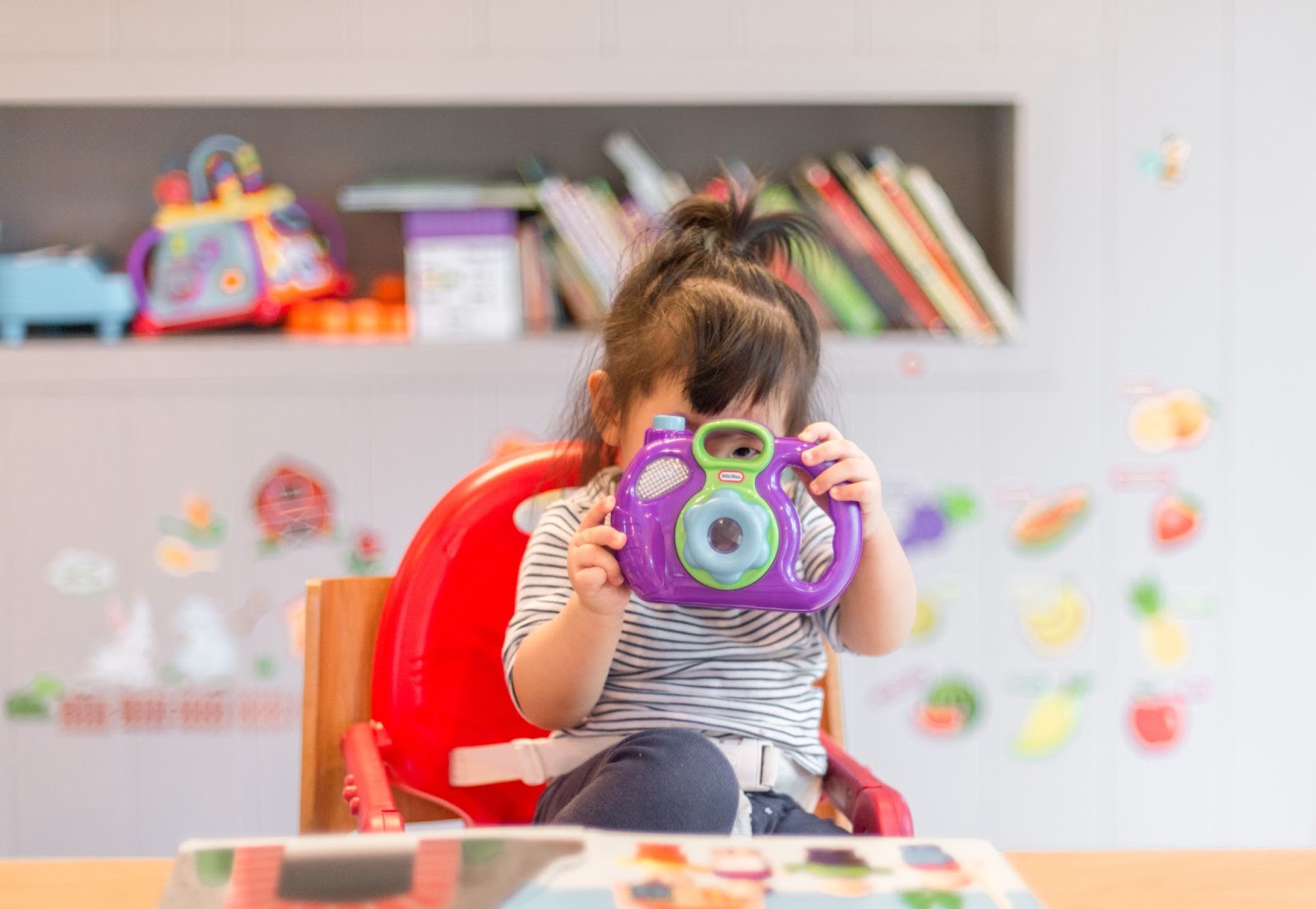
toddler holding toy camera

Photo by Tanaphong Toochinda on Unsplash

Moral Development

Another important aspect of a child’s development that can be significantly impacted by early education is the cultivation of their moral skills. While parents are able to teach their children how to be good people at home, it can be much more difficult to do so when kids are out of the house. This is due to a few reasons. First, parents often have to work full-time, so they aren’t able to monitor their children as closely. Second, many parents are too involved in their children’s day-to-day activities to notice when they’re learning about morals. This is where early education comes in. A good program will have your child interacting with other kids and staff members. They’ll also be part of various play activities that have been designed to foster moral development. All of this will help your child learn about being a good person, which will make them an even better person when they’re older. A well-rounded group of friends and family members that exhibit good morals will undoubtedly benefit your child as they grow up.

STEM Skills

STEM is a popular acronym that stands for science, technology, engineering, and math. These are obviously important fields that are expected to grow significantly over the next decade. By sending your child to a quality early education program, they’ll be able to develop critical STEM skills while they’re still young. When kids are engaged in hands-on activities that involve STEM skills, they’re more likely to remember them and apply them later in life. This is because the human brain is hardwired to remember things that it learns during this early stage of life. By being exposed to STEM skills during their early years, kids have a better chance of remembering them and using them as they grow up. This can make finding a job in the future much easier, as STEM professionals are in high demand. STEM skills are also extremely beneficial for children to develop early on because they can help them learn about critical thinking and problem-solving skills. This isn’t to say you need to find MIT the preschool, but it’s a good thing to consider to help your child be their best self.

Social Skills

All of the skills listed above are important for your child to develop their intellect, but what about social skills? While your child will definitely learn how to interact with others at home and in one-on-one learning situations, they will also be able to do so at school. Many early education programs involve group projects, where kids play and work with others to create something. This allows them to practice working with others and help build their social skills. While many parents worry about their child being bullied or neglected in early education, that’s rarely the case. In fact, most programs are designed to promote kindness and respect among the children who attend. This means that your child will have plenty of opportunities to learn about how to interact with others. When they return to school, they’ll be able to continue these social interactions and find a sense of belonging.

When parents begin their search for the right environment, they often look for places that focus on these social interactions. It is helpful to research local options early because spaces in high-quality programs fill up quickly. Many online directories and advice platforms help families compare different settings and understand what to look for during visits. Parents can use these resources to find a nursery that matches their child’s specific needs and personality. Taking the time to evaluate staff qualifications and daily routines makes the transition much easier for everyone involved.

Getting Ahead

By sending your child to a great early education program, they’ll be able to start learning concepts that most kids don’t learn until they’re in elementary school. This means that your child will be significantly ahead of their peers when they’re ready to start kindergarten. Not all kids who attend early education programs will be ready to enter kindergarten right away, but those who are will have a great head start on their education. This will give them an advantage that will last throughout their school years and beyond. Early education programs are designed to teach kids what they need to know to be successful in kindergarten. This means the kids who had the exposure will have an easier time adjusting to the new classroom environment.

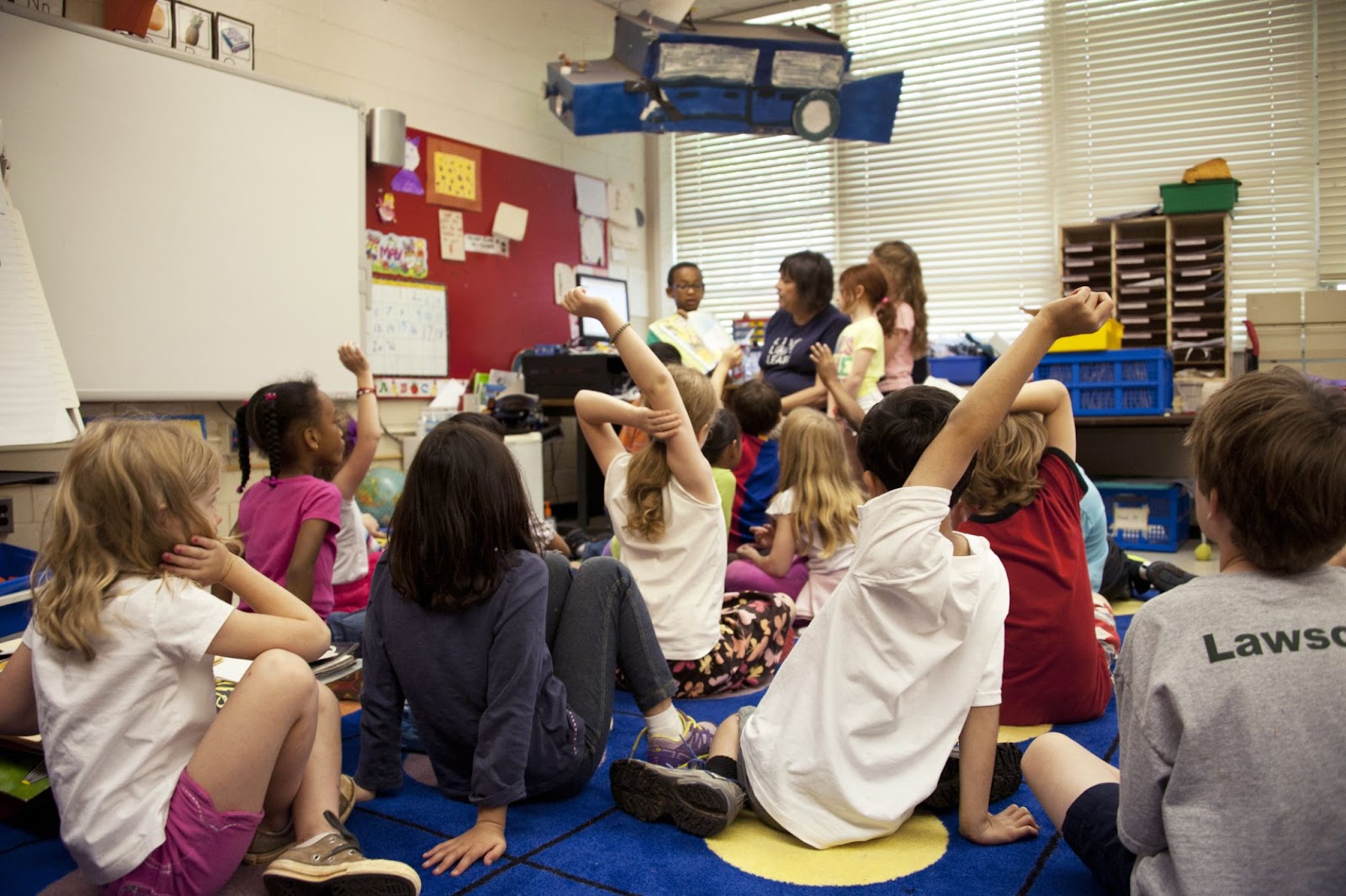
kids in a classroom

Photo by CDC on Unsplash

Kids who are enrolled in an early education program have a head start on their fellow classmates when they eventually enter kindergarten. This means that they’ll be more prepared to learn new concepts and retain information. What’s more, they’ll be ready to tackle more advanced concepts when they’re old enough. When kids attend early education, they are able to get ahead and get ready for the next stage of their lives. But more than that competitiveness, early education will help your child grow in ways you never expected. The discovery it allows is beautiful and fun and enriching for any child!