How To Talk To Your Kids About The Environment

Hearing discussions about climate change and environmental destruction may be fascinating and worrisome for young children, depending on their age.

It can be difficult for parents to know how much to express without worrying their children. No parent wants their child to grow up without understanding environmental issues.

What is the best way to strike the correct balance?

Many youngsters have lately gone on strike from schools all across the world, citing Greta Thunberg as their inspiration. As a result of the widespread media coverage, it has sparked widespread concern among youngsters about the status of the world. Here, we look at how you can talk to your children about climate change and the environment. 
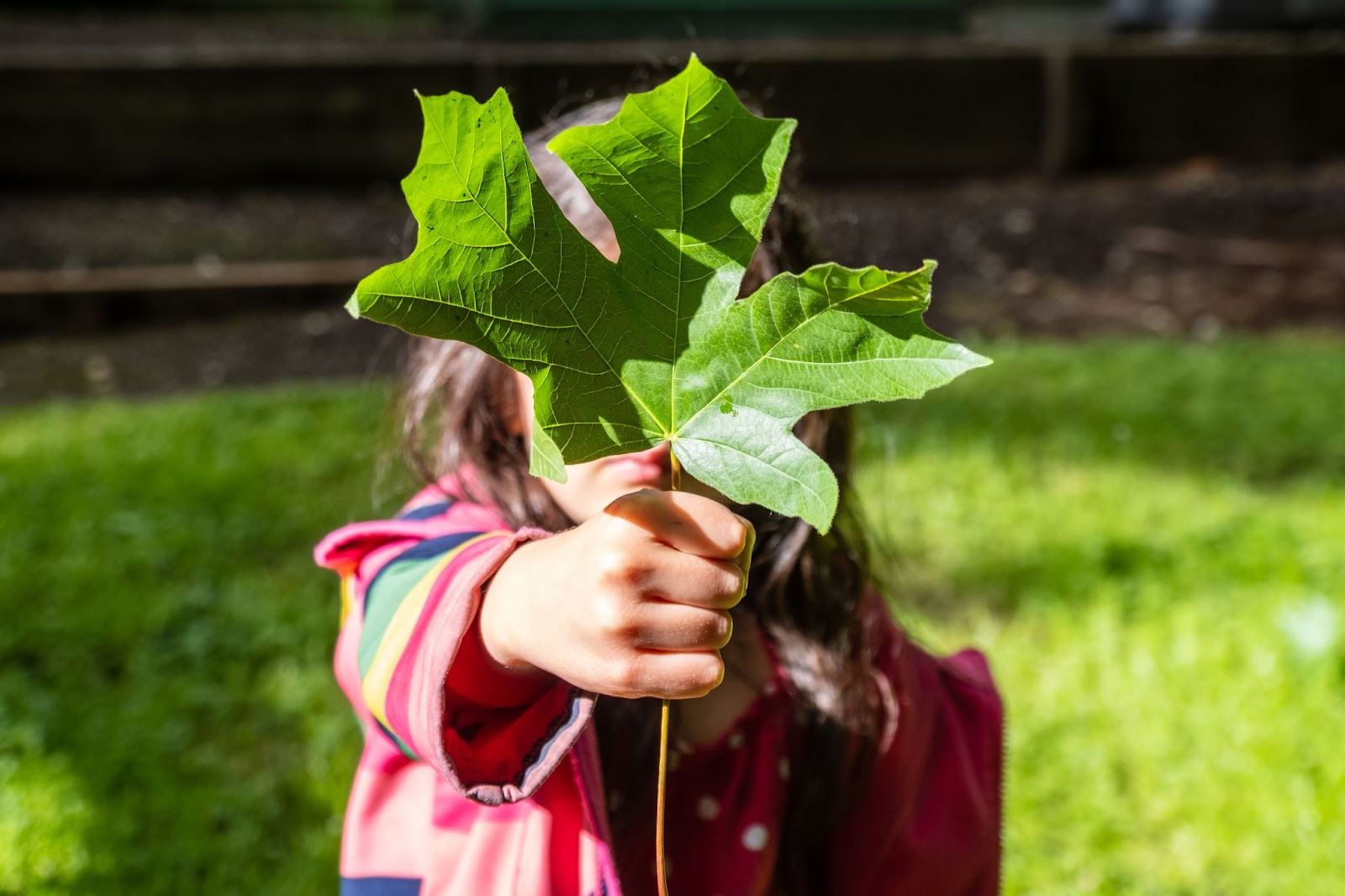
kid outside holding a tree leaf, environment, earth, recycle, sustainable, eco-system

image

Do not try to hide the truth from them.

While switching off the television when your child walks into the room may be tempting, it prevents them from learning about the world around them. Young children are more prone than adults to hear misleading stories from other children, which might cause them to feel fearful.

Instead of avoiding the subject of the environment, look for opportunities to speak about it with others. It is critical that young children do not believe they are destined to live on a dying planet, despite the fact that big adjustments must be undertaken. When discussing an environmental issue, emphasise the positive things that can be accomplished.

Use child-friendly language

Provide a straightforward explanation of what an “environmental issue” is to your youngster. Until you are confident that people will grasp what you are saying, avoid using technical phrases such as “biodiversity” and “ecosystem.”

When discussing a problem, place it in a local context that the youngster will understand and remember. For example, if you are concerned about biodiversity loss, you may talk about wildflowers, the dangers of shark finning or diminishing bee populations in your local region.

It is important to keep things as basic as possible for them in order for them to comprehend the issue at an age-appropriate level.

Look to do something practical.

The best way to learn about environmental stewardship is to participate in it as much as possible. Look for initiatives and activities in your community that you can participate in and contribute to.

You could do one of the following:

  • Participate in an organised litter pick-up event as a volunteer.
  • Teach your youngster how to sort the recycling each week by demonstrating it to him or her.
  • Attempt to eat vegetarian or vegan meals.

Start small and encourage your youngster to be concerned about the people and things in their environment. As they mature, they have the potential to become more ecologically conscious.

Final thoughts

When children are young, it is critical that they learn how to care for and appreciate the natural world around them.

However, avoiding talking about issues out of fear of upsetting your child might result in uncertainty and concerns as a result of the mixed signals.

As an alternative, keep your message pleasant and focused on local concerns while speaking in child-friendly terms. Look for opportunities to lend a hand at local events and be sure to recognise and thank them for their contributions, no matter how insignificant.

How To Cope With Chronic Pain In The Family

Chronic pain is a condition that impacts millions of people each and every year. It’s often assumed that the majority of people who experience chronic pain are older. However, this is not the case. In reality, children can also experience chronic pain in different parts of their body. So, let’s explore what you can do if this issue is impacting a member of your family

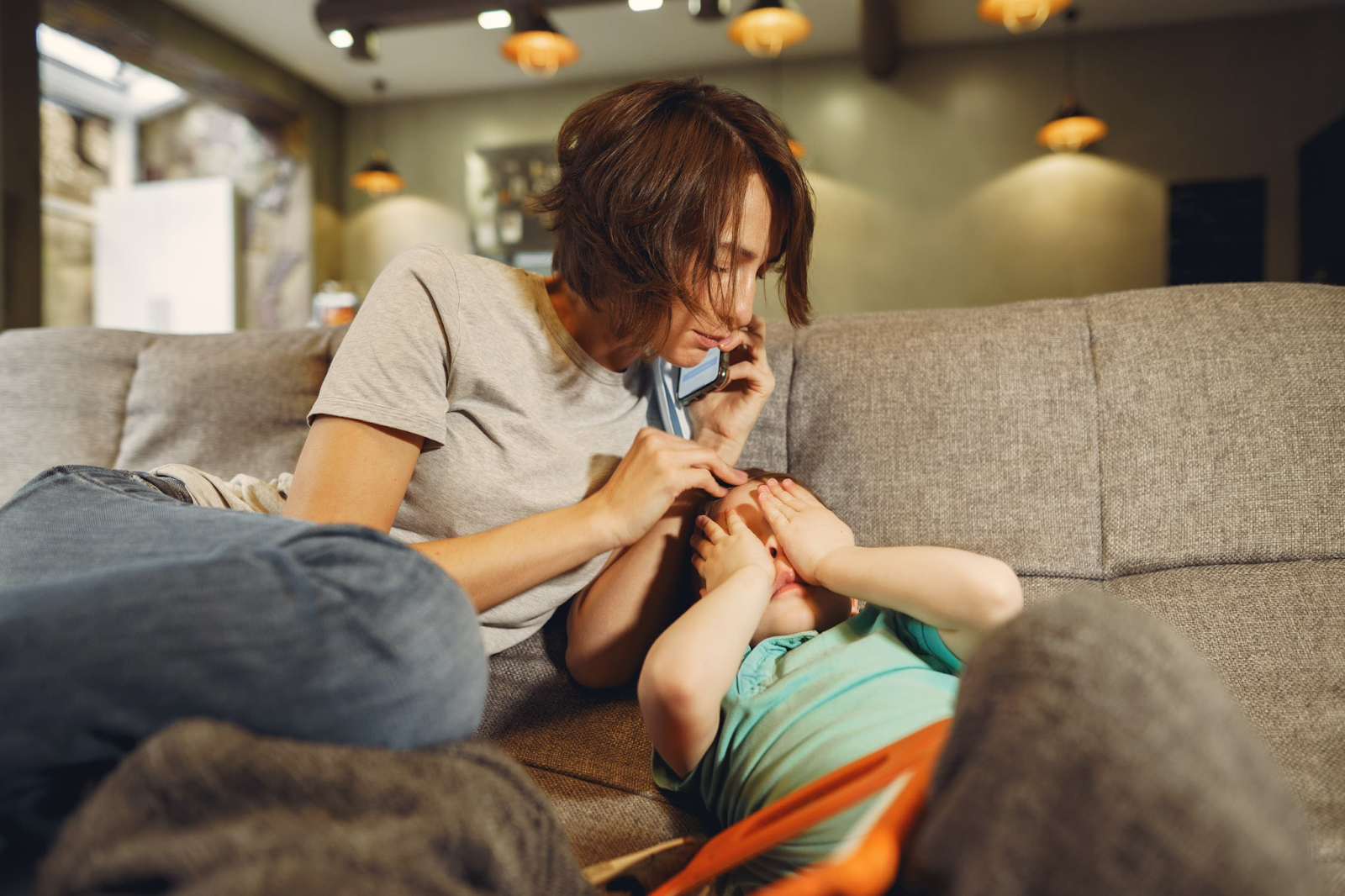
mom with sick child, chronic pain, parenting, sickness, illness, injury

Pexels Source CCO License

Identify The Cause

First, you need to make sure that you are identifying the cause of the pain that your child is experiencing. Unfortunately, this can be hard to pinpoint and there are lots of causes of chronic pain in children. For instance, it could be CIDP. According to Ameripharma one of the main symptoms of this somewhat rare condition is a severe pain or burning in the limbs. This is why you should always speak to a doctor if your child is complaining about an unexplained pain which is impacting their wellbeing. 

Try Alternate Medicine

Next, you should think about trying alternate medicines to help cope with chronic pain. There are various different types of alternate treatments that have been shown to be effective in certain medical studies. For instance, herbal medicine could be a great way to help manage levels of pain and ensure that they don’t take over your child’s life. If you live somewhere where CBD is legal, then a cannabis delivery service might be a worthwhile option to look into. It can help with joint pain and allow you to relax, plus there are lots of options to take it now, from vapes to gummies. You could also consider options like aquatherapy. Water exercises can be useful for chronic pain because they will reduce levels of inflammation in the impacting areas. Furthermore, they can also help guarantee that there is less pressure and stiffness in the joints. 

Consider Therapy 

One of the main causes of chronic pain that isn’t curable is that it does impact your mental and emotional wellbeing as well as your physical health. As a parent, it’s important not to forget the emotional toll that your child could be experiencing. That’s why cognitive therapy can be a useful treatment option. Cognitive therapy can be used to ensure that a child knows how to effectively cope with the pain that they are experiencing. They can even learn to reduce the amount of pain that they focus on consciously through CRT

Change The Environment

Finally, you might want to think about changing your child’s environment. While this won’t typically cure issues with chronic pain it can help a great deal and ensure that someone experiences low levels of pain or discomfort. One area to focus on would be your child’s bed. If they are complaining about pain in their back a firmer mattress may help provide the support that they need in this area of their body. People tend to think that a softer mattress will always be better and this just isn’t the case. 

We hope this helps you understand some of the key points that you should consider if a member of your family is experiencing chronic pain. By taking the right steps here, you can make sure that they do get the support they need and ensure that a condition like this won’t impact their quality of life.

5 Sports You Can Play As An Adult

As an adult, it can be easy to lose touch with the playful spirit you had as a child and forget how much fun it is to play around with some friends, but engaging in sports is one of the best ways to bring that back into our lives. So whether you’re new to sports or have been playing them since you were young, here are six options that everyone can enjoy!

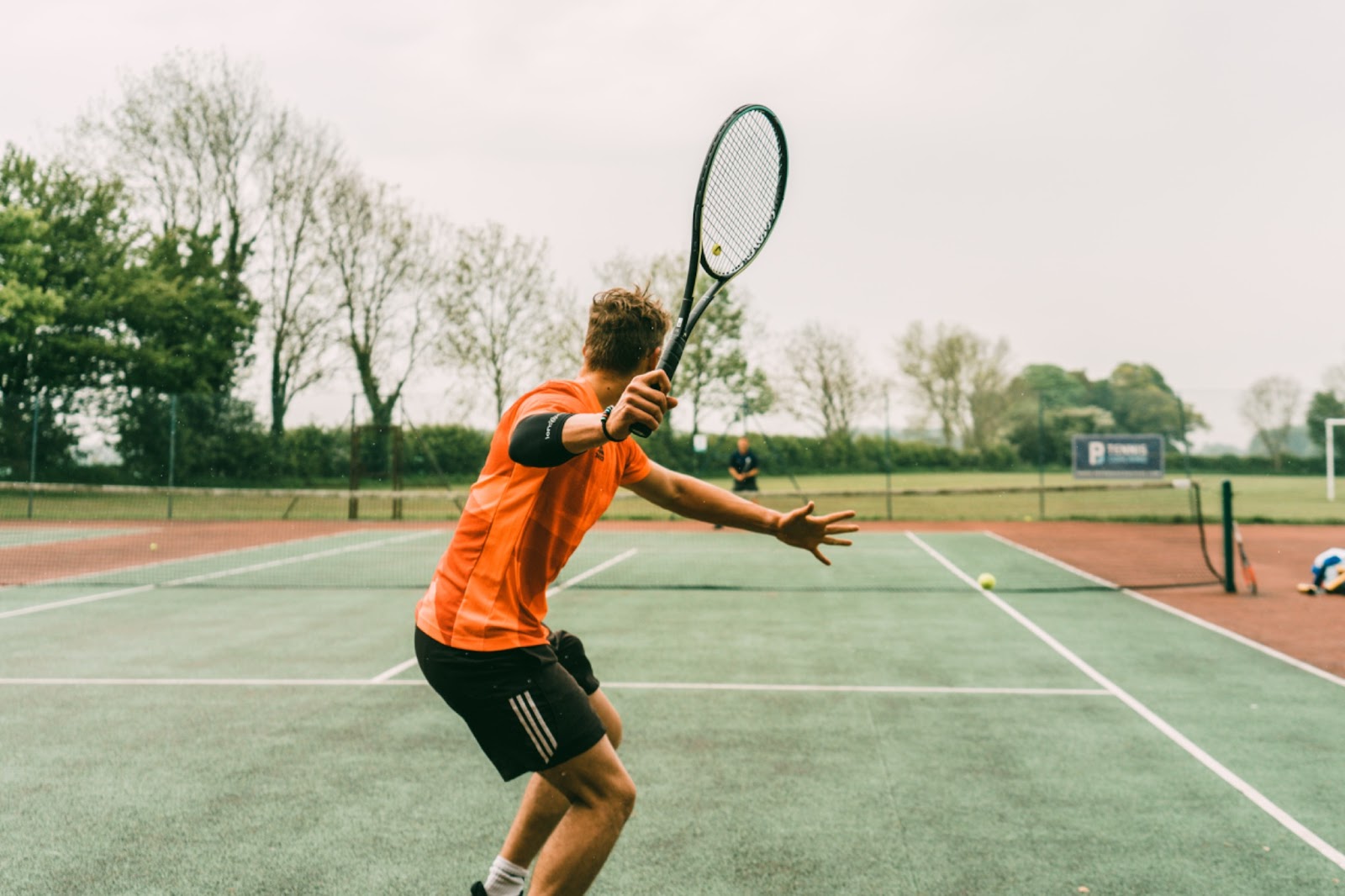
Adults playing tennis, adult sports, fitness, health, friends

Photo Credit

Here Are 5 Sports To Play As An Adult

  1. Pickleball

Pickleball might be what you need if you’re looking for something fun that can help you stay fit without being too strenuous on your joints! Fun and easy to learn, pickleball is a sport that can be enjoyed by people of all ages in a variety of settings. It’s a great choice whether you’re playing with friends or introducing it to younger family members, with pickleball best paddles for kids available to help make the game even more enjoyable. A cross between tennis and badminton, it’s played on a court roughly the size of a doubles tennis court.

If you have a large enough garden, you could even invest in line marking paint and a net to craft your own court in your backyard!

  1. Touch Football

This game is similar to rugby and American football, but there is no tackling. Instead, players have to “tag” their opponents instead of tackling them. That means it’s easy for anyone to participate in this sport – even if you’re not that fit or fast. Touch football fosters teamwork and communication between players and will help you improve your fitness level over time.

Here’s a tip: Because this is a full-body sport, you might want to consider buying Herbal Ice Hemp Muscle Rub. It helps with muscle injuries, which you could get now and again.

  1. Cycling

Cycling is another popular sport. It is an excellent way to stay in shape. You can ride alone, with friends, or in a group race. The activity offers plenty of opportunities to explore the outdoors, and it’s always more fun than exercising indoors. Cycling also helps improve balance and coordination, which is excellent for older adults who may be at risk for falls.

  1. Tennis

Tennis is a wonderful way to get in shape while being social. It is one of the top five ways that adults stay physically fit. While some sports are only for young people, tennis is a sport you can play for the rest of your life! Consider picking up a racket and heading out on the court if you’re looking to burn some calories. If you struggle with active sports like this because of back pain, then now could be a good time for you to visit a chiropractor.

  1. Swimming

Swimming is a crucial life skill, but it’s also low impact on your joints, which means minor damage to your body over time. It is also an excellent exercise for your core and upper body; you can burn about 550 calories an hour just by swimming, and it doesn’t require any equipment! You can practice different strokes, like the butterfly or breaststroke, or even try water aerobics.

Conclusion

Although we’re not all born with the athletic prowess of Tiger Woods, this list of sports proves that you can be a great athlete at any age. Whether you want to improve your health and fitness, have fun, or meet new people, plenty of sports will help you achieve your goal. Get out there and give it your best shot!

An at-home dad on a mission to keep it real when it comes to food, fun, and raising a healthy, happy family.