Category Archives: Lifestyle

Common Myths That People Have About Veterans

Many veterans trained and fought hard to defend their country. It’s the reason why we have events such as memorial day–to remember those that served in the military to protect civilians across the nation. However, there have been some rather nasty stereotypes surrounding veterans these days, with many of them being extremely negative. Veterans are often referred to as violent drunks, while others see them as mindless drones that do whatever their commander says to do.

So let’s debunk some of these myths to give you a better understanding of what it’s like to be a veteran in today’s world.
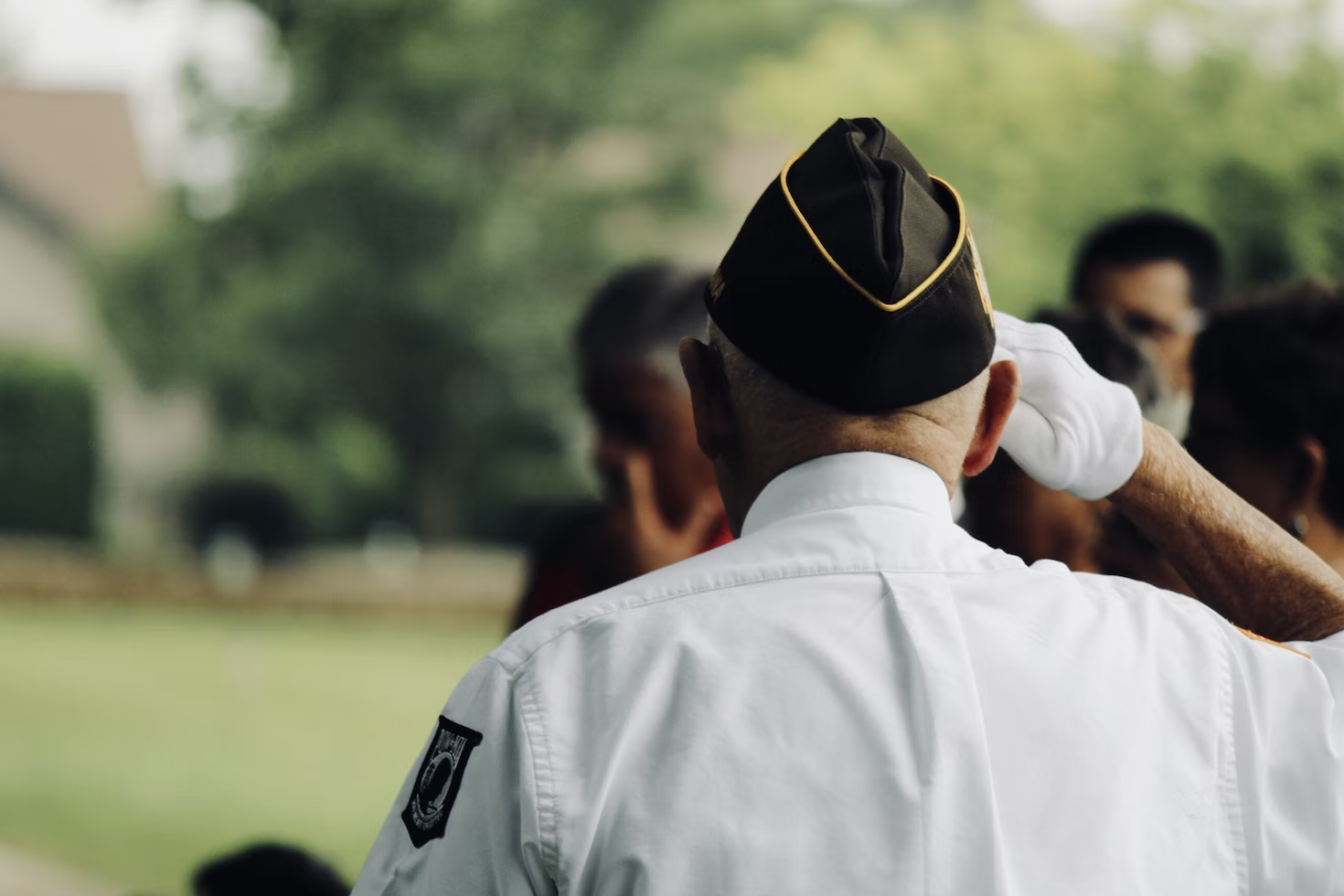
army, navy, military, active duty, retired, war, soldier, marines

Source: https://unsplash.com/photos/4GN3kBR7IMY (CC0)

Veterans are all treated well after they leave the military

Not necessarily. There is definitely a lot of support provided to veterans. In fact, there are many companies fighting for veterans benefits to further improve their lifestyles. But it doesn’t mean that every veteran has a good time once they leave service. Adjusting to civilian life can be difficult, and it’s not uncommon for many of these veterans to return to the military or a similar line of work (such as private security or being a bodyguard) because of their skills.

So this is certainly a myth. Not all veterans are treated well, and there are many who are just treated poorly due to the stereotypes around them.

Veterans all leave the military with emotional instabilities

Perhaps this myth was propagated by TV shows and films, but the reality is that not everyone faces it. There are many people that finish their military service and are able to adjust back to civilian life. They don’t have any underlying trauma, and they also don’t have emotional struggles. But that’s not to say it doesn’t exist.

Emotional trauma and PTSD are real issues, and many people leave the military with deep wounds that might never heal. However, to generalize everyone is wrong, so this is yet another myth.

Veterans are aggressive and only think about fighting

Soldiers are trained to fight–it’s part of their job description. But to say that they’re all aggressive is just wrong. While combat training is a part of their life, they’re also trained in other skills. Some have trade skills, others work with computers, and some are great mechanics. Just because you’re in the military, it doesn’t mean that you are aggressive all the time.

In fact, the opposite might be true. If someone is naturally quite aggressive then military training can help them harness that as a positive. They learn to control their violent urges, and they tame those personalities so that they can come out of the military a better person.

Why are there stereotypes?

Like with most stereotypes, it’s usually caused by a lack of knowledge and understanding. People tend to avoid topics such as war and military because they’re usually associated with negative things. However, the more we understand these veterans, the more we’ll find that we actually have things in common. At the end of the day, we’re all here to fight for peace–we just do it in different ways.

3 Top Anti-Aging Tips For Men

anti-aging supplements, skin moisturizers, health, move more

Image Credit: Timokefoto from Pixabay.

Men are paying more and more attention to their looks, and this doesn’t stop as they get older. In many cases, they could put more effort into this as they age, and they’ll want to take advantage of a few anti-aging tips for men to do so.

If that rings a bell for you, you mightn’t know where to start. Using wrinkle creams and similar options would be relatively obvious, but you might want to do more than that. It simply mightn’t do as much as you’d like.

Thankfully, a few other tips can be quite helpful, with three of these standing out.

Anti-Aging Tips For Men: 3 Top Picks

1. Go Easy On Caffeine

Almost everyone knows the feeling of that first cup of coffee in the morning. Several more of these could be drunk throughout the day. You’ll need the energy boost they provide, after all. What you mightn’t have realized is this has a large impact on how you age. It affects your skin in ways you mightn’t have thought of.

One of the more notable ways it does this is by making your skin look dehydrated. That could happen even if you’re getting enough water. By going easy on the coffee, you minimize the effect it has on your skin.

2. Eat More Fruits & Vegetables

Your diet is one of the more important factors to consider in your lifestyle. As you get older, this might need to change somewhat. One of the larger areas to look at is getting enough fruits and vegetables every day. They contain key nutrients to keep your body working properly.

They’ll also have an impact on how you look. Fruits and vegetables support skin health and boost collagen levels, letting your skin look great as you get older. They could even improve your skin tone, letting you look better than you did before. Make sure you get enough of these.

3. Take Medications

Getting older often means needing to deal with a few health-related issues. To properly deal with these, you’ll need to make sure you’re taking the right medications and getting any treatment you need. The more effort you put into this, the better you’ll feel.

That doesn’t mean you need to have major health issues to do this. In some cases, it could be worth considering taking anti-aging medicine for men. These focus on helping you look and feel as great as possible as you get older. There’s no reason not to look into them.

Anti-Aging Tips For Men: Wrapping Up

Using the right anti-aging tips for men makes sure you’re looking great for as long as possible. While this might seem complicated, it doesn’t have to take as much time or work as you could think. It’s simply a matter of focusing on the right areas.

Going easy with caffeine, eating more fruits and vegetables, and taking medications are some of the more practical ways to do this. With a little time, you’ll see – and feel – yourself feeling better and better, even as you age.

Helping Kids Cope With Anxiety: 5 Strategies To Try

Anxiety is a normal part of life, but it can be difficult to deal with, especially for kids. It’s important to understand that anxiety is more than just worrying; it’s a condition that can affect the mind and body in multiple ways. However, there are many strategies that parents can use to help their kids cope with their anxiety. So let’s discuss five of the most effective strategies for helping your child manage their anxiety.

stressed kid with other kids in a classroom, anxious, emotions,

Via Pexels

Talk About It

Too often, children feel like they need to keep their worries and anxieties to themselves. Instead of leaving them alone with their thoughts, try talking about what’s bothering them in an open and supportive way. Ask questions and listen without judgment or criticism so that your child feels comfortable expressing themselves. By creating a safe space for communication, you can help your child work through their feelings and develop better coping strategies for dealing with anxiety.

Embrace Positive Thinking

Negative thinking is one of the biggest contributors to anxiety, so teaching your child how to recognize and reframe negative thoughts into positive ones is important. This doesn’t mean denying reality or pretending away problems; rather, it means focusing on the good things in life while still acknowledging challenges as they come up. Encourage your child to practice positive self-talk and look for solutions instead of dwelling on problems or ruminating on worst-case scenarios.

Develop Healthy Habits

Healthy habits such as eating nutritious meals, getting enough sleep, exercising regularly, and limiting screen time can positively impact your child’s mental health by reducing stress levels and improving moods overall. You can also try doing things each morning and evening to help them process and overcome any anxious thoughts or feelings. This could include taking a few minutes for deep breathing exercises, listening to calming music, or saying goodnight prayers together before bed. These healthy, calming habits can help your child feel more in control and better equipped to handle any anxieties that arise.

Learn Relaxation Techniques

Teaching your child relaxation techniques like progressive muscle relaxation or guided imagery can help them feel calmer and more in control of their emotions. You can also look into mindfulness activities such as yoga, tai chi, or meditation to help them focus on the present moment instead of worrying about the future. These activities can help your child better manage their anxiety with practice and consistency.

Seek Professional Help

If you feel your child’s anxiety is too overwhelming for them to handle on their own, it may be time to seek professional help from a mental health expert such as a therapist or psychiatrist. Talking with a counselor can help your child learn coping strategies and gain a better understanding of their feelings. This is especially important for children who are struggling with severe anxiety or phobias that may interfere with daily life activities.

By implementing these strategies, you can help your child feel more in control of their anxiety and equip them with the tools they need to live a happier and healthier life.