Category Archives: Going Healthy

Skin Rashes: What Causes Them?

eczema, dry skin, rash, itchy, flaky, mouth sore

Pixabay. CCO Licensed.

Pretty much all of us have had a rash at some point in our lives. Some of us may even get them regularly. Rashes are areas of irritated skin that can take many forms – they can be red, scaley, bumpy or blistered. They don’t look pleasant, and can often be itchy or painful.

Some rashes are easy to diagnose like diaper rash. Others can appear without us realising and may require a bit of detective work to diagnose. Below are just some of the common causes of rashes.

Allergies

Allergic reactions and sensitivity to certain substances are the most common reasons for rashes. Such rashes can take several forms. 

Pure allergic reactions typically result in redness and small bumps called hives. Triggers for these rashes could include certain foods, medication, contact with animals or contact with certain materials like latex. 

If your skin is dry and irritated, this is more likely to be a form of eczema known as contact dermatitis. Causes of these rashes can include cleaning chemicals, soaps, detergents, certain cosmetics or even certain metals like nickel. 

Sites like Asthma & Allergy Associates can help you to explore treatment methods and prevention strategies. Once you know the trigger, you should reduce contact and look into hypoallergenic alternatives if they are an option. 

Stress

Some rashes are the result of underlying conditions. These rashes may be brought out by allergic reactions to substances, but can also often be brought out by stress.

Types of rash conditions that are often triggered by stress include psoriasis, eczema, rosacea and stress-induced hives. Stress may also increase your chances of developing infection-based rashes like impetigo due to lowering the immune system.

Finding ways to destress can help reduce flare-ups of these types of rashes. There are many stressbusting techniques that you can try.

Bites/stings

Animals and plants can often cause rashes when they sting or bite. These may take the form of a large red bump, or an area of small bumps (hives). 

Nettles, ants and mosquitoes are a few common culprits behind mystery rashes. Such rashes are often not a concern, but you should see a doctor if they grow or get more painful. This post at MedicineNet explains more as to when to worry about an insect bite. 

Using insect repellent sprays may prevent bites. It’s also advised that you cover up your arms and legs when exploring areas of long grass or boggy areas where bites and stings are more likely. 

Sun exposure

Sun exposure can cause all kinds of different rashes. Sunburn (which is technically more of a burn than a rash) is the most obvious. Heat rash and sun rash are other types of rash that are more similar to an allergy.

Wearing sun lotion, keeping cool and not spending too much time in direct sunlight can stop you from getting these types of rashes. Some people are more susceptible than others due to their complexion or underlying skin conditions – if you are more likely to get rashes, you will need to be more careful in the sun. 

Viruses/bacteria/fungus

Various infections caused by bacteria, fungus or viruses can lead to rashes. Examples include chickenpox, measles, shingles, cellulitis, impetigo, ringworm and athlete’s foot are all examples.

These types of rashes tend to cause a greater level of pain and itchiness and are often accompanied by spots, blisters or bleeding. It is important to see a doctor for these types of rashes as they may require prescription medication to treat. Some can also be contagious, so it’s important to cover them up.

3 Potential Causes Of Hair Loss

Hair loss is experienced by many and can vary in degree. Although it is normal to shed hair every day after combing or brushing, there may be cause for concern when it comes out in clumps. It may be due to underlying medical issues or purely genetic. Hair loss affects both men and women but for men there’s an 80% prevalence rate for pattern baldness. With that said, this post takes a look at three potential causes of hair loss.

  1. Genetic reasons

Image Credit

If you have a biological parent losing their hair naturally, chances are you would, too. Science explains this as the hereditary sensitivity to the DHT hormone, which causes the hair follicles to shrink. Families with this trait often experience this as early as their twenties or by age fifty when aging sets in. Understanding your family’s genetic history is important to help you understand why you’re experiencing hair loss and helps you learn where your susceptibility stems from. Although genetic factors are beyond your control, advancements in science and technology have proven useful. Solutions like topical minoxidil and oral finasteride have proven to be effective in treating hair loss in males and females, although men use them more. The increase in hair transplant procedures also shows that many opt for this technique to regain a headful of hair.

  1. Hormonal fluctuations

Fluctuations in hormones can significantly affect your hair follicles, potentially leading to patches on your scalp. This type of hair loss happens gradually, and for women, it may be misinterpreted as a reaction to a new shampoo or conditioner. Increased androgen production, triggered by certain conditions like PCOS, can cause this reaction in women. Thyroid issues can also be another underlying factor for hair loss. If it happens over time, it would help to see a specialist to ascertain the underlying cause. Also, Vitamin D deficiency is another common reason for hair loss. That is because this vitamin is essential for hormone synthesis, so the more you lack it, the less hair you have. The same goes for Vitamin E, which is influential in balancing hormones. Some vitamins to balance hormones for females can help restore normal function in the body. And this leads to the next point.

  1. Nutritional deficiencies
healthy food, greens, salad, healthy eating

Image Credit
The adage ‘you are what you eat’ is true at this stage because your body will respond to what you consume. Your hair follicles need essential minerals and vitamins to thrive and grow healthy, but may not always receive the right levels due to diet and other factors. Iron deficiency is one of the main nutritional issues people face in their diet. It causes reduced blood flow to the scalp, leading to reduced nutrient flow to the base of the hair. The more this occurs, your hair loses zinc, vitamins A and C, reducing the strength and healthy growth of hair. An easy way to combat these nutritional deficiencies is to maintain a well-balanced diet. It shouldn’t be a one-off thing because your hair needs constant nutrition to keep growing healthy. A professional can help you bridge the nutritional gaps impacting the quality of your hair and stop the loss in its tracks. Certain supplements rich in essential vitamins can also help manage your hair loss problems.

Are You Going Through a Midlife Crisis?

CC0 Licensed Image Courtesy of Pexels

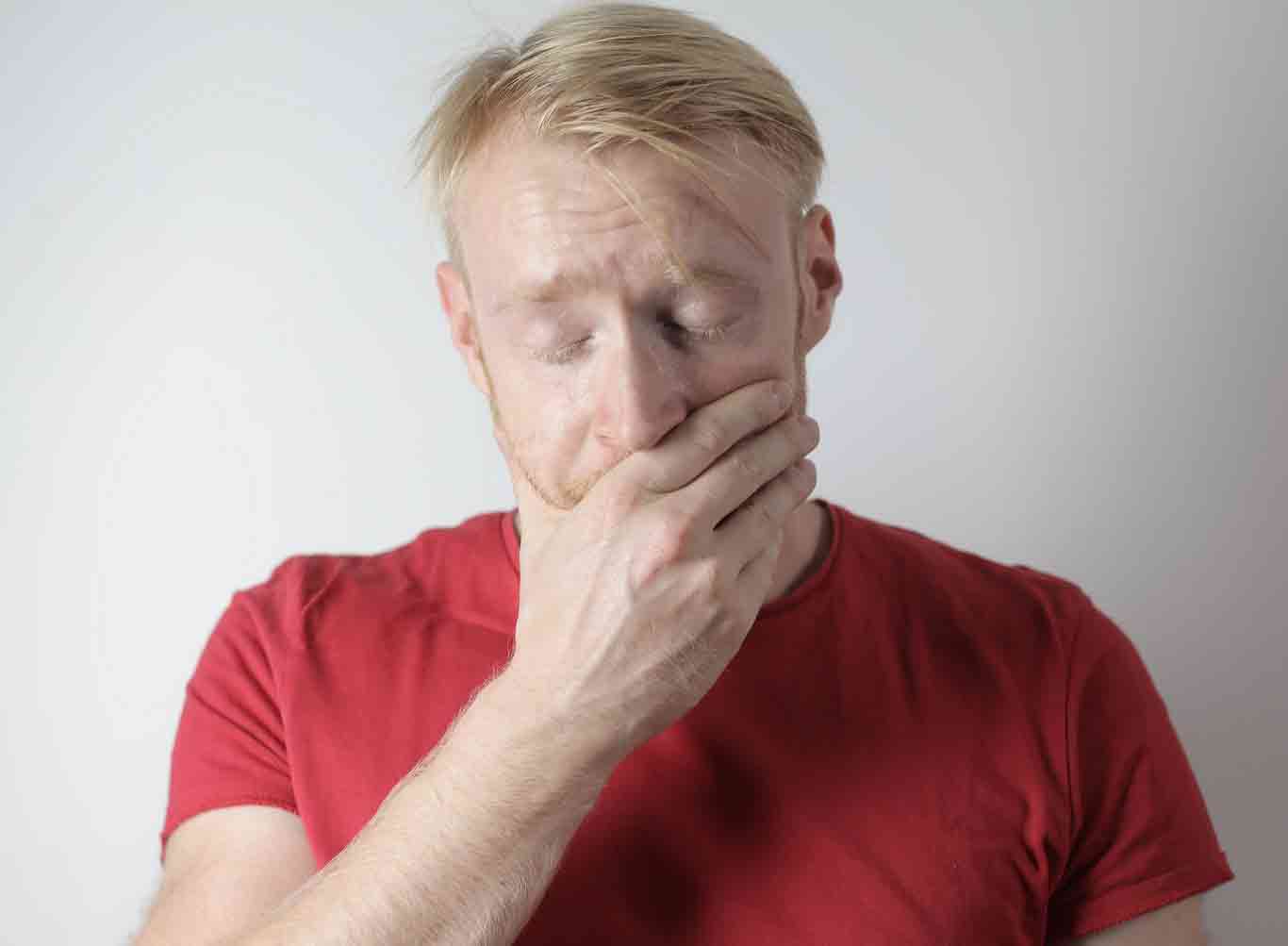
A mid-life crisis is a normal part of life for some people, and you may be experiencing one right now. It can be hard to deal with some of the changes that come with it, but there are solutions. From understanding the good points to making positive changes, here is more information.

What’s It All About?

The word crisis is a little outdated and shouldn’t really be used as it suggests negativity. But for simplicity, it will be referred to as such. A mid-life “crisis” is associated with the time in a person’s life when they feel changes are necessary. You may find you want hair restoration procedures all of a sudden, and this is fine, as it can make you feel better. There are also issues like gaining weight, depressive conditions, and feeling like you haven’t achieved your goals.

Can a Mid-Life Crisis be a Good Thing?

Both men and women experience the mid-life crisis, yet it affects men more. Between 10% and 20% of men will undergo the classic mid-life crisis. But even men who don’t will experience some changes when they reach their 40s or 50s. How you handle your change is crucial, and it doesn’t have to be all negative. You can use this time and experience to make some positive changes in your life, and these can be great moving forward. But you need to handle it well.

How to Handle It

The mid-life point is different for everyone, and what you experience won’t be the same as your friend. Of course, some men do make unsavory changes during this time, yet some hardly notice it is there. Many of the changes are mental and emotional, which can cause you to act out of character. This is why handling it well is vital. There are some common signs to watch out for and things you can do during this turbulent time in your life and the life of your family and partner.

Don’t act out of emotion and feeling

The changes during a mid-life experience are largely psychological, and this means your entire demeanor can change. Some of the hormonal and chemical changes in your body during this point in your life can cause wild changes and emotional swings. Yet, we make bad decisions when we are emotional. Impulsive behavior is one of them, and this is a typical sign of a mid-life experience. There are also some other common signs you can watch out for during this time.

Spotting the common signs

A mid-life experience, or crisis, can be positive or negative. It all depends on how well you handle it, and this can be as easy as recognizing the signs that something is going on. You may or may not have all of these, but some of the most common mid-life crisis symptoms are as follows:

  • Doing things you typically don’t like, drinking more, or taking drugs.
  • Acting on impulses that can lead to an affair or actually having one.
  • Leaving your family and moving out of the home with someone else.
  • A strong feeling that your life doesn’t fit you and you need to change it.
  • Becoming more concerned about how your clothes and body look.
  • Seeking out thrilling experiences when you usually don’t do these things.
  • Trying too hard to be confident around younger people you are attracted to.

Acting very out of character by engaging in risky activities like drug-taking is a strong sign that at least something is going wrong in your life. But you may also feel that your life isn’t what it should be, even if you are successful. This can lead to extra-marital affairs and big personality changes.

Try to remember the good things in life

We all have it hard sometimes, from the poorest in society to the most successful. It doesn’t matter who you are and what you have done. A mid-life crisis can affect you. Some of the hormonal changes can cause depression and anxiety at this point in your life. You can overcome this by remembering what you have done to make your life special. Your personal achievements, your loving partner, and raising great kids are some of the special things your life has to offer.

Talk to your family or a medical professional

One of the most disruptive things that can happen during a midlife crisis is drifting apart from family members, your partner, and your children. But when this happens, who do you have left, and what positive outcome does this achieve? Not much. Going through a mid-life experience is nothing to be embarrassed about and is common. Speaking to your family, partner, or a medical professional about what you are going through is the best way to get through this difficult time.

Plan for realistic mid-life crisis goals

It’s good to have goals in life, and we can all get by much better with them. However, only around 20% of us actually set goals in life, from daily tasks to large achievements. Goals can help when you are going through your mid-life changes, as they can keep you on track. But like any other goals, they must be achievable and realistic. For example, you may want to go back to college as a mature student. But consider if you have the available time and, of course, the money.

Remember, it is temporary

A mid-life experience isn’t forever. Most doctors agree that it is a transition period in your life and can be a positive thing despite the jokes and negative connotations. Like all of life’s downs, this too shall pass, and you can use this time to reflect on your life and make actionable changes. Just remember some of the points raised above, and you will be better equipped to spot, deal with, and use a mid-life experience to your advantage so it doesn’t end up being a crisis.

Summary

There comes a point in a man’s life where he can be labeled as having a midlife crisis. But instead, this can be a good thing. Knowing the common signs, such as becoming vain, can be a good thing when used correctly. But even feeling terrible, understand that it is all temporary.