All posts by R.C. Liley

I'm an ex-mutual fund accountant who left the cubicle world to be a stay-at-home dad to my beautiful little girl, Avery, who entered our life on 11/15/13 and handsome little boy, Wes, who joined our family on 11/19/17. Also happily married to my wife, Kelley, as of 8/17/07. Sorry ladies... :) Fitness and nutrition is of the utmost importance in our family and we strive to reflect this in our daily life. I always prepare our meals at home and only go out if it's a special occasion, and even then I tend to not get much. Food should be fun and a joy to eat, not something quickly consumed from a fast food chain or scarf down before the next meeting. I have come from strictly logging high miles to train for the next marathon to keeping exercise varied and focusing more on strength. I still enjoy going for a run when I can, but nothing crazy, and I prefer hill sprints while pushing my daughter, Avery in the stroller. She loves it and I get a great workout! I want to show the world how to appreciate their body and feed it real, wholesome food while moving more throughout the day. In doing so, everyone would be healthier, happier, and we'd all live in a better place as a result. I blog mainly about my life as a stay-at-home dad and frequently include reviews, participate in campaigns, and share my thoughts on fitness and nutrition. If you ever have any questions or thoughts to share, please reach out as I'm always open to listening or helping others however possible. That is, when I have free time since Avery is and my wife are the number one priorities!

Top Tips For Overhauling Your Diet

Overhauling your diet is an important step towards improving your overall health and well-being. The foods we eat have a significant impact on our physical and mental health, so it’s essential to ensure that we’re consuming a balanced and nutritious diet. In this article, we’ll explore some tips and strategies for overhauling your diet.

beet salad with feta and walnuts, healthy eating, health, food, vegetables

image

  1. Identify areas of improvement

The first step towards overhauling your diet is to identify areas that need improvement. Take a look at your current eating habits and ask yourself the following questions:

  • Am I consuming enough fruits and vegetables?
  • Do I eat too much processed or junk food?
  • Am I getting enough protein?
  • Do I drink enough water?
  • Am I consuming too much sugar, salt, or saturated fat?

By answering these questions, you’ll get a better idea of areas where you need to make changes. It’s important to be honest with yourself and not make excuses for unhealthy eating habits.

  1. Set realistic goals

Once you’ve identified areas of improvement, the next step is to set realistic goals. It’s important to set goals that are achievable, measurable, and specific. For example, instead of saying, “I’m going to eat healthier,” set a specific goal like, “I’m going to eat five servings of fruits and vegetables every day.” This goal is measurable and specific, making it easier to track your progress.

  1. Make gradual changes

Overhauling your diet doesn’t mean making drastic changes overnight. Instead, it’s best to make gradual changes over time. For example, you could start by adding one serving of fruits or vegetables to your diet each day as well as adding Juice Plus to your diet. Once you’ve successfully incorporated this change, you can add another healthy habit, such as drinking more water or reducing your intake of sugary snacks.

  1. Plan your meals

Planning your meals in advance is a great way to ensure that you’re consuming a balanced and nutritious diet. Take some time each week to plan your meals and snacks. Make a shopping list of the ingredients you’ll need and stick to it when you go grocery shopping. This will help you avoid impulse purchases of unhealthy snacks and ensure that you have healthy options on hand.

  1. Experiment with new recipes

Trying new recipes is a great way to add variety to your diet and keep things interesting. Look for healthy recipes online or in cookbooks and try one new recipe each week. You may be surprised at how delicious healthy food can be.

  1. Don’t deprive yourself

Overhauling your diet doesn’t mean you have to give up all your favorite foods. It’s okay to indulge in your favorite treats occasionally, as long as you do so in moderation. If you try to completely deprive yourself of your favorite foods, you’re more likely to give up on your healthy eating goals.

  1. Get support

Making changes to your diet can be challenging, especially if you’re used to unhealthy eating habits. Getting support from friends and family can be a great way to stay motivated and on track. You could also consider working with a registered dietitian or nutritionist who can help you develop a healthy eating plan that meets your specific needs.

In conclusion, overhauling your diet is an important step towards improving your overall health and well-being. By identifying areas of improvement, setting realistic goals, making gradual changes, planning your meals, trying new recipes, indulging in moderation, and getting support, you can achieve your healthy eating goals and enjoy the benefits of a balanced and nutritious diet. Remember that small changes over time can lead to big improvements in your health, so be patient and stick with it.

Understanding The Complexity Of A Medical Diagnosis

Pexels – CC0 License

If you’re diagnosed with a medical condition, it’s easy to feel overwhelmed. While some conditions can be manageable, some might need to be managed with more time and effort, and could have an impact on your usual day-to-day living. Regardless of the severity of the condition, understanding you have it is the first step, and making a plan to deal with it is the second.

However, life isn’t always the same for two people with the same condition, meaning that it’s important to plan out the right approach for you. Organizing this, while also trying to understand the scope of the condition, how it may affect you, the plans you need to make for your family, and of course, dealing with your emotions and worries can seem quite intensive. An overbearing feeling of runaway complexity can often be just as disorienting as the condition itself.

Luckily, we do have some control over this. In this post, we’ll discuss how to think about the complexity of your medical diagnosis, and put a plan in place for future success:

Utilize Charitable Or Organized Resources

Help is out there. It’s a sad realization, but also comforting to know you won’t be going through this alone, and others out there understand what you’re having to deal with. For instance, the MS Center and organizations similar to it can help with information, support, and even providing therapeutic treatments where appropriate. Look to organized or charitable resources like this depending on your means, and don’t be ashamed to ask for that help. It can, quite literally, unlock your quality of life to a higher degree.

Join Social Groups Dedicated To Mutual Support

It’s important to join support groups that can help you discuss your diagnosis, the realities and lessons that come from living with the condition, and also provide you a means to express yourself and feel able to vent in a safe environment. It doesn’t matter if it’s in person or online through a support group, if you feel comfortable sharing or feeling connected to others, then you feel less alone, and you won’t be alone. That in itself can help our mood tremendously, and gives us an outlet for the issues we might deal with.

Get Everything Down In Writing

Trying to remember everything you’ve been told, everything you have to do, and how to refit and re-establish your day to day can be a tough ask, especially when you’re trying to come to terms with the news, however light. This is why it’s good to get everything down in writing if you can. A note taking app on your phone, or a physical folder you can use for resources, medical brochures, printouts from the official sources online, and all of your insurance or care provider information can be helpful to have to hand , and this takes organization. Even if it’s just setting up a capable medicine-intake schedule on your refrigerator, all of this counts and really does help out.

With this advice, you’re sure to develop a robust means of responding, and living well, with a condition that you’ve been diagnosed with.

6 Ways To Maintain Oral Hygiene

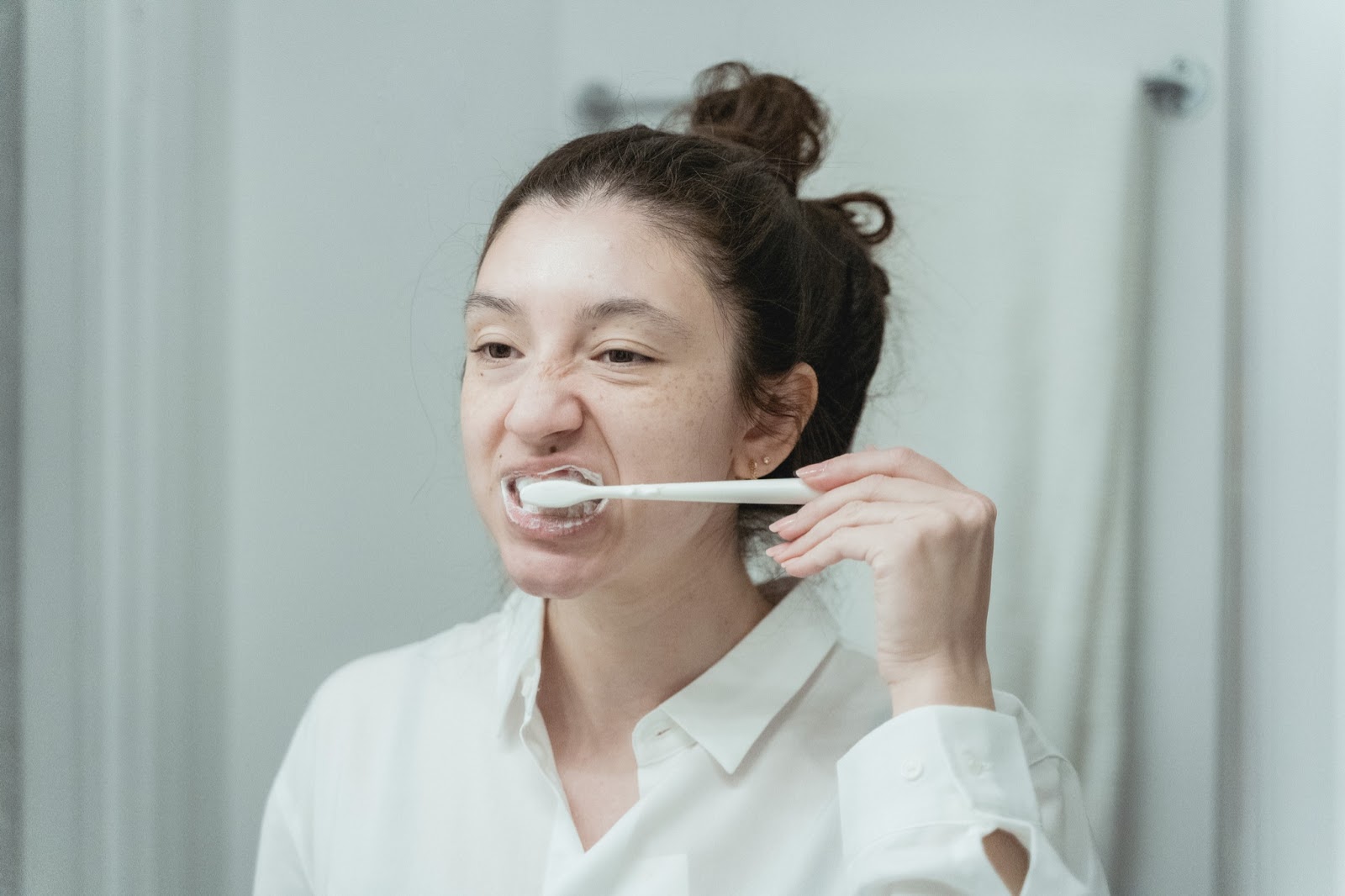
adult woman brushing teeth in mirror, toothbrush, hygiene, oral health

Image Credit

Maintaining good oral hygiene is an important aspect of overall health and well-being. Poor oral hygiene can lead to various health problems, including tooth decay, gum disease, and even more serious conditions such as heart disease and diabetes. Fortunately, you can take several simple steps to maintain good oral hygiene and prevent these issues from occurring. This article will discuss six key ways to maintain oral hygiene. By incorporating these practices into your daily routine, you can help keep your teeth and gums healthy, prevent a range of oral health problems and learn how to take care of your oral health for a lifetime of healthy smiles. 

  1. Brush your teeth regularly 

Regularly brushing your teeth is the cornerstone of good oral hygiene. The American Dental Association recommends brushing your teeth at least twice daily, using fluoride and a soft-bristled toothbrush. Brushing helps remove plaque, a sticky film of bacteria that forms on teeth and can lead to tooth decay and gum disease. When you brush, use gentle circular motions and brush for at least two minutes. Don’t forget to clean your tongue as well, as it can harbor bacteria and cause bad breath. Also, an electric toothbrush may be more efficient in eliminating plaque than a manual brush.

  1. Floss daily 

Integrating flossing into your oral care routine is crucial for maintaining optimal dental hygiene. Flossing helps remove food particles and plaque from between teeth, which a toothbrush can’t reach. It’s vital to floss at least once daily, using about 18 inches of floss and wrapping it around your fingers. Be sure to gently guide the floss between your teeth and curve it around each tooth in a C-shape. Consider using a water flosser or interdental brushes if traditional flossing is difficult or uncomfortable. These devices can be as effective at removing plaque and are more comfortable for some people.

  1. Use mouthwash 

Mouthwash can help kill bacteria that cause bad breath and reduce plaque and gum inflammation. Look for one that contains fluoride, which can help strengthen teeth and prevent cavities. When using mouthwash, be sure to follow the instructions on the bottle. To use the mouthwash effectively, swirl it in your mouth for at least 30 seconds before spitting it out. Don’t rinse your mouth with water after mouthwash; this can reduce effectiveness.

  1. Watch your diet 

What you eat can also have a big impact on your oral hygiene. Sugary and starchy foods can increase the amount of plaque on your teeth and lead to tooth decay. On the other hand, eating a balanced diet rich in fruits, vegetables, and lean proteins can help keep your teeth and gums healthy. Avoid snacking between meals, as this can increase the amount of time bacteria have to feed on the sugars in your mouth. If you snack, choose healthy options such as carrots, apples, or cheese, which can help clean your teeth and stimulate saliva production.

  1. Drink plenty of water 

Water can help rinse food particles and bacteria from your teeth and gums. It can also stimulate saliva production, neutralizing harmful acids in your mouth. If you’re prone to dry mouth, which can increase your risk of tooth decay and gum disease, drink plenty of water throughout the day. You can also chew sugar-free gum, which can help stimulate saliva production.

  1. Visit your dentist regularly 

Even if you’re diligent about brushing, flossing, and caring for your teeth at home, you must visit your dentist regularly. Your dentist can help detect and treat problems such as cavities and gum disease before they become more serious. The American Dental Association recommends visiting your dentist at least once a year for a checkup and cleaning. Your dentist may also recommend more frequent visits if you have a history of dental problems or are at higher risk of developing them, such as if you have diabetes or smoke tobacco. During your dental visit, your dental hygienist will clean your teeth. This step will eliminate any tartar buildup or plaque. They may also take X-rays to check for any signs of tooth decay or other issues. If they detect any problems, they can work with you to develop a treatment plan to address them. In addition to regular checkups, visiting a dental clinic like Amazing Dentistry is important if you experience any oral health problems, such as tooth pain, bleeding gums, or persistent bad breath. These can be signs of more serious issues that need to be addressed.

In conclusion, maintaining good oral hygiene is not just about having a bright, white smile. It’s about taking an important step towards a healthier, happier life. So, please don’t neglect your oral health; make it a priority today and enjoy the many benefits of a healthy mouth.