I'm an ex-mutual fund accountant who left the cubicle world to be a stay-at-home dad to my beautiful little girl, Avery, who entered our life on 11/15/13 and handsome little boy, Wes, who joined our family on 11/19/17. Also happily married to my wife, Kelley, as of 8/17/07. Sorry ladies... :)
Fitness and nutrition is of the utmost importance in our family and we strive to reflect this in our daily life. I always prepare our meals at home and only go out if it's a special occasion, and even then I tend to not get much. Food should be fun and a joy to eat, not something quickly consumed from a fast food chain or scarf down before the next meeting.
I have come from strictly logging high miles to train for the next marathon to keeping exercise varied and focusing more on strength. I still enjoy going for a run when I can, but nothing crazy, and I prefer hill sprints while pushing my daughter, Avery in the stroller. She loves it and I get a great workout!
I want to show the world how to appreciate their body and feed it real, wholesome food while moving more throughout the day. In doing so, everyone would be healthier, happier, and we'd all live in a better place as a result.
I blog mainly about my life as a stay-at-home dad and frequently include reviews, participate in campaigns, and share my thoughts on fitness and nutrition.
If you ever have any questions or thoughts to share, please reach out as I'm always open to listening or helping others however possible. That is, when I have free time since Avery is and my wife are the number one priorities!
When we become a parent, we immediately find ourselves worrying about things that didn’t concern us before. While there’s a lot we have to be concerned about, and the statistics can certainly be alarming, if we find ourselves worrying about getting cancer or constantly checking the news with regards to the COVID situation, we’ve got to address the concept of “health anxiety.” A lot of people are experiencing health anxiety due to the pandemic, so with this in mind, what can we do to relax our minds, be proper parents, and give our attention to the people that need it the most?
Focus on the Basics of Health
There’s a lot of information out there that can cause us to go down the internet rabbit hole. Dr. Google is such a fantastic example, and we can spend a lot of time trying to fix our health when there’s nothing to fix in the first place. But sometimes, it’s about ensuring you have the basics in place. If you have concerns about the risks of heart attacks and strokes as you get older, this is easily remedied by aspirin. A low-dose aspirin like Cartia or any other brand is a very simple thing you can do to thin the blood and lower the risks of heart attacks and strokes. And, of course, make sure that you are feeling healthy in yourself.
Think About Your Mental Effort
If you worry about your health, how much time are you actually spending thinking about it? Because if you are spending more time worrying about something that may or may not happen to you, this could be mental energy spent on something far more beneficial. You can spend more time with your children, having a hobby, or learning something new. And this is why we need to remember that if we are too focused on our health, we need to dial that in and take steps to clarify our values and bring purpose to our lives. This will reduce any sense of distress.
Learn to Calm Your Body
Relaxation skills are in abundance out there, and if you worry about your health too much, you need to find the right practices that bring you back to the present moment. We can focus on every little thing that appears wrong with our body, when in fact, all we need to do is to refocus our attention on the things that matter. What you are thinking is not necessarily true. When we feel anxious about our health, we are taking the baton and running with it. If you focus too much on being completely healthy would you feel that you’ve failed yourself if you caught a snivel? A lot of the time, our worries are unwarranted.
If you find you worry about your health too much, it might come from a place where you want to be the best father possible, but you must remember that if you spend a lot of your focus on being healthy, is your attention being diverted away from the things that really matter?
Creating long-lasting habits in children should start at a young age. Kids are quite curious and their little brains soak up information like a sponge. Once a child gets to have an experience, it usually leads to help them latch on to new ideas and gain new perspectives. As a parent, it’s important to teach your children lifelong lessons that will last a lifetime. This includes friendship, sharing, morals, and compassion as well. Compassion comes in many forms from being, animals, right down to nature itself on Mother Earth.
It’s essential to teach your children at a young age about the importance of the environment as they’ll be the ones to inherit it. All it really takes are some gentle pushes and nudges here and there to get your children to pick up habits. Starting small and gradually doing bigger actions is going to be the best way to get your child to become active on sustainability. These are some helpful tips to get you and your children starting today on saving the environment.
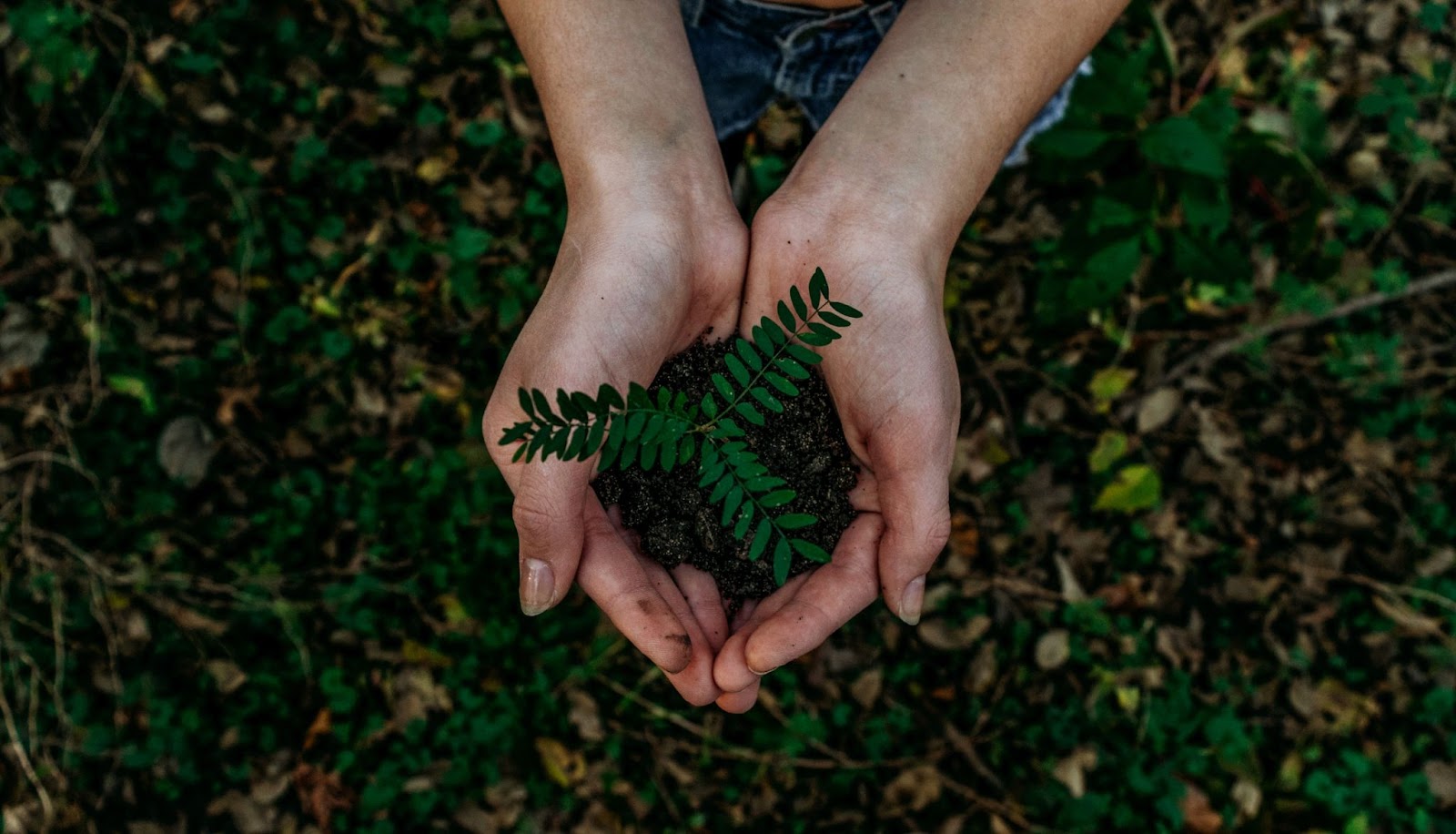
In order to get your child to feel a connection to nature and grasp the understanding of our impact, getting your child outside more often will help them build an appreciation towards it. Appreciating the outdoors will eventually lead to respect for the earth. There are plenty of outdoor activities you and your child can do together such as going to the park, playing games, or even doing some gardening.
Making changes at home
There are a variety of ways you can get your kid involved in the eco-friendly changes at home. Gardening is one of the best ways to get you and your child outside. This allows them to learn about nature, biodiversity, and patience. This can also teach your child about the hard work, time, and labor that goes into growing food such as fruits and vegetables. There’s something invigorating about getting to pick your own harvest and have the chance to eat it. Getting them to experience this form of satisfaction will give them an understanding of how great it is to garden.
There are other changes that can be done at homes such as installing solar panels from one of the best solar companies, switching to Star or other low energy appliances, plus low flow toilets and showers are excellent as well. Letting your children know that you are making changes within the household will give them a gentle nudge that they should also be involved in helping the environment.
Watch movies with them
Kids are very impressionable, plus their active imaginations may need some visual assistance to help them grasp an understanding of what’s happening to the world. There are plenty of TV shows and movies that are geared towards children that do help in pushing the fact that the environment needs saving. The classic 1980s TV show Captain Planet is a good example, but a more modern take would be Pixar’s Wall-E as this movie portrays the harmful effects of consumerism.

If you’re wanting to know how to reduce your eco-footprint at home then it can first begin by looking at what goes into the trash. This is something that the whole family can get behind. Most neighborhoods have a recycling collection that separates paper, plastic, metal, and everything else from each other. This gives your children an understanding of what material is what but it also helps them in understanding producing waste. Give your child a talk and landfills and why everyone needs to make more of an effort to produce less trash. Talk to them about what can have a second life and why recycling is so important.
Composting and rain collection
If you and your little ones are doing some gardening outside, then there’s a chance that you’re composting as well. Composting sounds a little complex and scary to come families but it’s fortunately quite easy to do. Composting is wonderful for the environment and it gives your children the chance to understand what can and what can’t be composted.
Composting is also something that many people don’t quite understand the benefits of, but it’s great for your gardens and the environment. It doesn’t need to be costly either, which is one of the best perks. Compost bins are quite affordable and can be found at your home improvement store.
Rainwater collection can also be very handy for your garden and it can save you money. Rainwater collectors can come in a variety of sizes from 100 liters up to 300 liters. However, you should look in advance whether or not you can collect water. Some cities, counties, and even states have a complete ban on it. So it’s best to look into this beforehand so you won’t risk breaking any laws.
Avoid buying anything brand new
One of the best ways to get your children to understand money management and the environment is through talking with them about the harmful effects of consumerism. Children are very impressionable, things are being advertised to their left and right. It makes children want things without understanding why they want them, plus it creates this expectation to keep up with constantly changing trends.
It’s so important to talk to your child as early as you can about the harmful effects of consumerism. Let them know it’s okay to want things but it can be harmful if they’re wanting things that they’re not going to use or need. Buying things that are brand new isn’t always necessary, and there are plenty of thrift shops that have affordable items. Getting into the mentality that second-hand items are just as good and that you’re helping save the environment is going to really help in the long run. This helps your family fight consumerism and stay sustainable.
Donating items
Just like it’s best to purchase second-hand items, it’s best to try and give a second life to old items. If you and your family have clothes that are no longer being worn, or your kids have toys they no longer play with, then look into getting them donated. You can donate your items to thrift shops, clothing drives, churches, homeless shelters, and plenty of other places.
This is going to help families have access to clothes and other things that they may have not been able to afford or have access to. Just make sure everything that you and your family are donating is gently used. As in, no stains, broken parts, tears, rips, or anything else in these donated goods.
Think about eco-friendly alternatives before tossing things out
Donating items is a great way to give a second life to something, but what about something that probably can’t be donated? Children tend to throw away things without putting much thought into them. Help get you and your child to think outside of the box. Ask if something can be given a second life before it gets thrown out. Can this item be recycled? Can this item be repurposed? Can it be reused? Can it be sold or donated to someone? These are some things that your family should get into the habit of thinking about before just throwing things into the garbage can.
Make goals
There’s always something new each month that your family can do. Look into making some goals with your children and see what can be obtained. Maybe make a goal about how much can be plated, or how much can be recycled. The possibilities for making goals can be endless. It’s all about making these habits enjoyable for your children so they can stay with them for the rest of their lives.
If you’re like many Americans, you may have noticed that there appear to be more illnesses these days. Not only are more people coming down with communicable diseases and developing chronic medical conditions but it seems like the number of conditions has grown over the last few decades. Some argue that illnesses haven’t actually gotten more common; it’s simply a matter of hearing more about people being sick thanks to global news coverage, social media, and other informational sources being available. Others insist sickness really is becoming more prevalent.
Is Cancer Becoming More Prevalent?
Of the many conditions people contend with at present, cancer is one of the more widespread. In fact, it’s one of the world’s leading causes of death and leaves millions of people searching for hospice near me each year. Is cancer truly on the rise in modern times, though, or are we simply hearing more about the various forms of cancer and the number of people who suffer from them? Could it simply be that more forms of cancer have been discovered? The answer to this question may surprise you no matter which side of the argument you’re on.
Taking a Look at the Statistics
Quite a few sources indicate that cancer is, in fact, becoming more prevalent with each passing year. It has been for decades now, and analysts don’t expect the trend to turn back in the right direction any time soon. Based on the latest reports, there were 18.1 million new cancer diagnoses globally in 2018 and 9.5 million related deaths for that same year. By 2040, the total of new cancer cases each year is expected to surpass 29 million with 16.4 million people losing their lives to these diseases.
It’s also important to note that cancer and its global uptick know no bounds. This isn’t a development that’s only affecting older people.Recent studies show that the number of people ages 15 to 39 who develop cancer has surged by nearly 40 percent over the last 50 years. Even younger people are being impacted as well with the average rate of new cancer diagnoses in children increasing by 27 percent.
Why Is Cancer Becoming More Common?
Quite a few people are left to wonder how this is the case. We live in a world of monumental technological advancements and medical breakthroughs, so how can the number of cancer cases be on the rise? Experts say quite a fewfactors could be contributing to the situation. For one, reports indicate that obesity is on the rise, and this, alone, increases the risk of developing certain types of cancer. Some also point out that environmental elements are at least partially responsible for the surge in cancer diagnoses. Air pollution, water contamination, and food additives are among the primary concerns in this regard.
Looking to the Future
Numerous reports show that cancer is inarguably on the rise, and it will be for the foreseeable future. Several factors could be responsible for this trend and its predicted perseverance. It’s certainly true that new cancer treatments have been developed in recent years, many of which are effective at treating various forms of the disease. Many reports note that the cancer survival rate is increasing thanks to those advancements. Still, with an ever-growing number of people developing cancer, the overall death rates may not see a positive difference during the years to come.
An at-home dad on a mission to keep it real when it comes to food, fun, and raising a healthy, happy family.