Tag Archives: advice

Create Stunning Images: 4 Photo Editing Tips for Beginners

Did you know that 12.4 trillion photos have been taken throughout history?

Creating amazing photos can be challenging if you’re a beginner photographer. Many times, even good photos can turn out badly with poor editing. If you aren’t comfortable with photo editing, you might sabotage your hard work.

With the proper techniques, you can make your photos shine. Here are four photo editing tips for beginners.

1. Get To Know Your Photo Editing Software

One of the photo editing tips is to get to know all the different tools and what they can do. Each tool has a specific purpose and can be used to create other effects. Experiment with each one to see what you can make.

Pay attention to the light. Well-lit photos tend to be more stunning than those that are poorly lit. Use the edit tools to adjust the brightness and contrast until you are happy with the results.

2. Edit Photos in Raw Format for More Control

Use a RAW converter to open your files. This software will give you more control over the editing process. Adjust the white balance to get the colors in your image just right.

Use the exposure adjustment to fine-tune the brightness of your image. Use the noise reduction tool to get rid of any unwanted graininess.

With these tips, you’ll be able to create stunning images full of detail and dimension. So don’t be afraid to experiment with RAW files – they may just give you the results you’ve been looking for.

3. Use Presets and Actions to Speed Up Your Workflow

If you’re new to image editing, the workflow can seem daunting. One of the best ways to speed up your workflow is to use presets and actions. Presets are like templates for your photos, and actions are like recipes for specific effects.

You can find presets and actions online, which can be a huge time saver. Just apply a preset or action to your photo. You’ll be able to edit your photos like a pro in no time.

You can also use a free photo collage app to help design your photos. With presets, you can quickly and easily edit your photos to create the look you want. And with actions, you can automate many tasks that would otherwise take you hours to do.

4. Make Use of Layers and Masking for Advanced Edits

Layer masking is one of the most powerful tools in Photoshop to improve your photo editing. It allows you to selectively edit parts of your image without affecting the rest. This can be extremely useful for removing objects from a photo or changing the color of specific parts of an image.

To use layer masking, simply create a new layer and then use the brush tool to paint over the areas you want to edit. When you’re finished, you can then add a layer mask to the layer you just created and invert it. This will hide the layer and reveal the photo underneath.

Doing the Best Photo Editing Tips Starting Today

One of the best photo editing tips is to experiment with different features and effects to get a feel for each tool’s work. Once you’re comfortable with the basics, try moving on to more advanced techniques like layer masking and frequency separation.

With a bit of practice, you’ll be able to create stunning images that impress your friends and family.

If you liked this article and want to find more, browse the other articles on our blog now.

Signs that you are Not as Healthy as you Think you Are

If you are worried that you might not be as healthy as you think you are, then you have nothing to worry about. You are not alone in the way that you feel, but there are things that you can do to try and find out once and for all. If you want to find out more, then simply keep on reading.

You Feel Bloated

You may eat your greens, eat organic vegetables where possible, and even workout, but if you are bloated, then this can be a sign that you have a more serious underlying health issue. It may be that you are overeating, that you have reflux or that you are simply constipated. When you eat too much food, or when you eat food that you are not supposed to, then you may find that you end up experiencing some temporary discomfort. This will go away as your digestive system takes over, but if yours is lasting for longer or if you feel as though you get it more than you should then this is a sign that something has to change.

Source: Pexels (CC0 License)

You Snore at Night

Snoring happens when air cannot move easily through your airways. The muscles that are in your throat relax, causing your tongue to fall back into your throat. If you have had a significant amount to drink or if you are overweight then you are far more likely to snore. Snoring can be a sign that you have sleep apnea as well, so it is imperative that you look into this if you can. Consulting a sleep doctor is always a good idea here as it could make it easier for you to get to the root of the issue. If you struggle with blocked sinuses, then this can also contribute to snoring. If this is the case, then seeing an ear, nose and throat specialist can help, especially if you struggle with blocked ears due to earwax buildup as well.

You’re Tired all the time

If you just always feel tired, regardless of how much sleep you get, it is a good idea for you to talk with your doctor. You may feel tired or drowsy when you need to sleep but at the same time, fatigue can be the result of a serious health issue. This is especially the case if you notice that you have other health issues as well. Missing sleep and even medication can cause, fatigue as well, so make sure that you take the time to get this checked out as soon as you can. If you don’t then you might find that you end up having a hard time maintaining your energy and that you are not able to give your body chance to rest and recover. This alone can lead to other health issues too, so be mindful of that if you can.

So, if you are not as healthy as you think you are, then this guide should help you to find out once and for all. If you want to find out more, make sure that you have a chat with your doctor today.

Tips for Improving Communication with Seniors and the Elderly

It’s no secret that communication is key to a happy, healthy relationship. The same rings true when it comes to our loved ones – especially seniors and the elderly. As they age, their ability to communicate effectively often diminishes. This can lead to frustration and feelings of isolation for both parties. This blog post will discuss some tips for improving communication with seniors and the elderly.

Make an effort to visit or call often:

As we get busy with our lives, it’s easy to forget to check in on our elderly loved ones. Make it a point to visit or call them regularly. This will let them know that you care and are thinking about them. Offer ways to comfort them by making sure they are happy with their current living situation and maybe offer a rental hospital bed to help them sleep better and safer.

When visiting, make sure to give them your undivided attention:

It can be tempting to multi-task when visiting seniors or the elderly. However, it’s important to give them your full attention. This includes making eye contact, listening carefully, and not interrupting.

Avoid using jargon:

When communicating with seniors or the elderly, avoid using slang or jargon. Use clear and concise language that they will understand.

Repeat back what they say:

This is a good way to show that you are listening and understanding what they are saying. It also allows you to clarify anything you may have missed. When you repeat back what they say it also allows them to know that they are being heard.

Ask open-ended questions:

Asking questions that can be answered with a simple yes or no often leads to frustration. Instead, ask open-ended questions that encourage conversation. For example, instead of asking, “Did you take your medicine?” Try asking, “How are you feeling today?”

Use proper forms of address:

When interacting with seniors or the elderly, always use proper forms of address. This includes using titles such as Mr., Mrs., or Ms. and avoiding nicknames. Using propper forms of address shows that you respect them.

Be patient:

elderly woman smiling, healthy aging, happy, retire, getting old

Via Unsplash

Oftentimes, seniors and the elderly need more time to process information and respond. It’s important to be patient and give them the time they need. Being patient will also help avoid frustration on both sides.

Avoid arguing:

Arguing will only make communication more difficult. If you disagree with something they say, calmly explain your point of view. Arguing will only lead to frustration on both sides.

Respect their wishes:

If a senior or elderly person says they don’t want to talk about something, respect their wishes. Forcing them to talk about a sensitive topic can be very upsetting. Respecting their views on life will give them a sense of control and help to preserve their dignity.

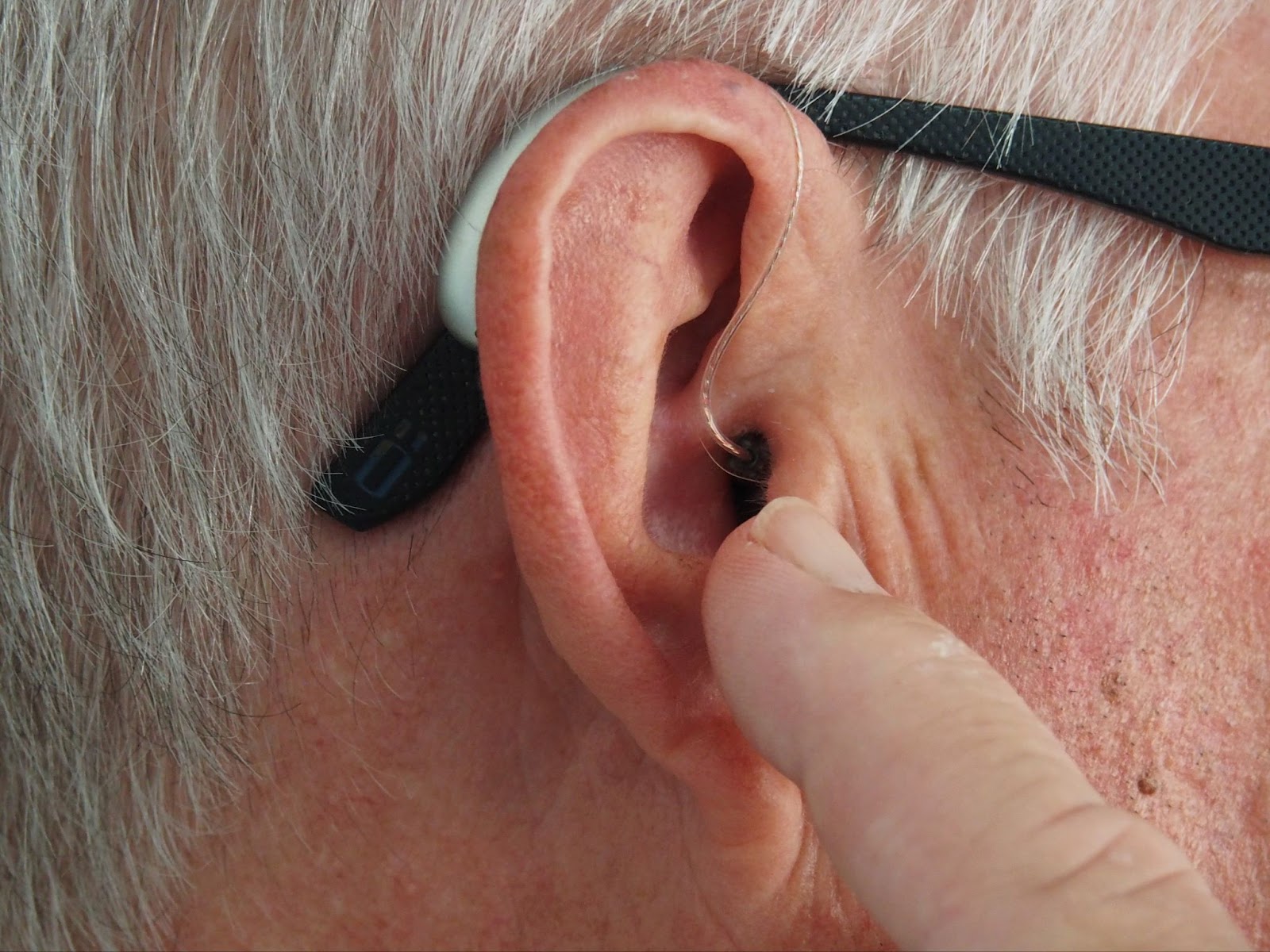
Hearing aids:

close-up of hearing aid in ear, deaf, aging, elder, senior, lose hearing

Via Unsplash

If a senior or elderly person is having difficulty hearing, consider getting them a hearing aid. This can make communication much easier and help them feel more connected to the world around them. Run a hearing aid troubleshooting will make sure they’re getting the most out of their hearing aid.

In conclusion, communication is key to a happy, healthy relationship with seniors and the elderly. By making an effort to visit or often call, using clear and concise language, and being patient, you can improve communication and maintain a strong bond with your loved ones.