Many professionals believe that career stagnation is a norm after forty. You reach your goals by this age or feel ready to give up if they seem too distant. Either way, you have your career facts wrong because your forties may also be about starting again. You may consider a switch or even rework your goals to reach higher. The only thing you require is a never-say-die attitude that drives you to move ahead enthusiastically. Here are some tips to stay motivated enough to move towards your career goals after forty.
Figure out the road ahead
Reaching your professional goals later in life gets easy if you can see the road ahead carefully. Figure out your plan, whether you want to stay in the same domain or step out of your comfort zone by trying something different. Both seem daunting after mid-life, but they can actually bring your passion back. Chart your roadmap and embark on the journey without doubts and apprehension. Let age be only a number!
Upgrade yourself
Going back to school after forty sounds impossible, but you must do it to refresh your skills and be relevant. Luckily, there are endless options in online programs for professionals across all industries. You can pick one without disrupting your current job or lifestyle. You may even consider taking a career break and joining a university program. Besides ramping up your education, invest in soft skills because they are equally vital for career growth.
Redesign your resume
A fresh start is about finding new opportunities in the job landscape. Redesigning your resume is a good place to start. Ensure it showcases your strengths like experience and skill upgrades. You must also have supportive documents to validate the information in the resume. Check your credentials and get a replacement diploma if the real one goes missing. Most professionals struggle with the situation because their crucial documents are not at hand decades after completing college.
Redo your LinkedIn profile
Besides refreshing your resume, you must also redo your LinkedIn profile. Consider adding the information regarding your fresh skills. Ask clients and colleagues to endorse you because positive words can enhance your credibility as a professional. Also, start growing your network according to your career plans. For example, consider connecting with niche leaders in another industry if looking to switch domains.
Find a mentor
A mentor often helps young professionals to navigate the career landscape. But you may need one even after forty when a career transition is impending. Look for someone with similar experience because they can guide you and motivate you better. Moreover, you feel more connected to someone who shares your vision and mindset. Finding a mentor may seem challenging when you are a senior professional, but you can look for someone online or in your office.
Your career does not end after forty, rather it is a good time to reboot and restart. You only need to define your goals wisely, stay committed, and take a strategic approach to reach them. Follow these steps to overcome the challenges and cover all fronts s.
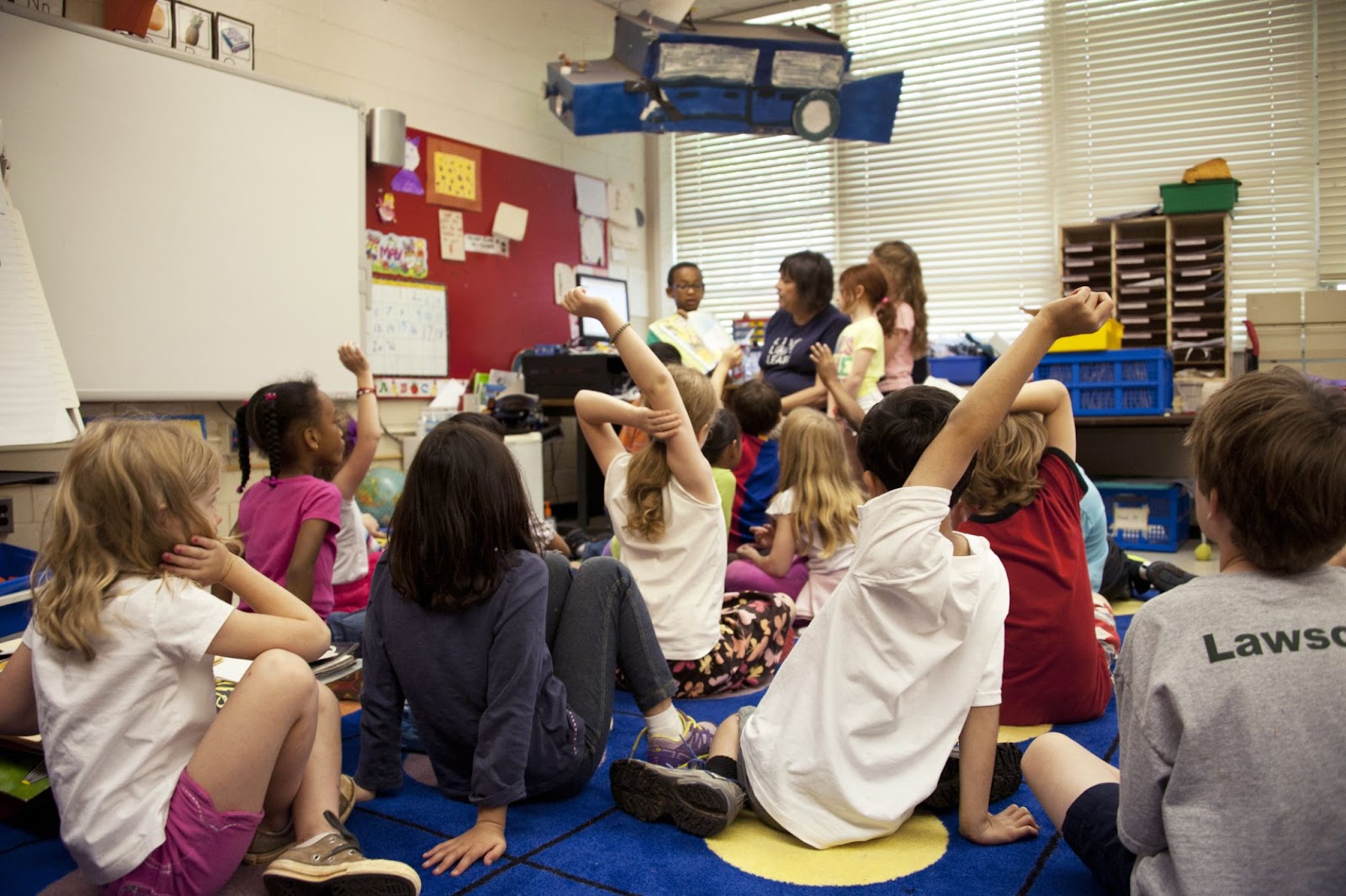
Today’s parents are more aware of the importance of early education than ever before. The critical role it plays as children learn core life skills has made most parents choose to send their kids to pre-k or other programs. It’s no longer enough to just leave your child in childcare. Parents want programs that not only keep their children busy but also give them the tools they need to succeed in school and beyond. Luckily, there are many early education centers that go above and beyond standard daycare services, such as the best daycare las colinas has to offer, that provide a safe and stimulating environment for your child to learn about new things, make friends, and grow as a person.
So what does this mean for you? As a parent, it’s up to you to find the right early education center for your child. Certain programs can help them reach their potential in ways that remain challenging when they return home from school every day after kindergarten. Read on to determine which programs cater to the most areas of early development and which ones do it best!
One of the best parts about sending your child to a great early education program like one of these preschool programs in Columbia, MD is that it will give them a jump on developing their language skills. This is because children who receive formal early education have been shown to have a richer vocabulary than the average child their age. This is especially true for children who are learning a second language, as well as those who attend bilingual programs. This isn’t to say that you can’t help your child boost their vocabulary at home; it’s just that it’s much easier to do so when they’re in a structured environment. When your child is surrounded by other children who are learning and using new words, they’ll be more likely to pick up on this. This will put them at an advantage when they enter school; they’ll be more prepared to learn and retain new information. If you don’t speak a second language at home, you can also enroll your child in immersion programs to help them learn a new tongue during a prime language-acquisition period of their life.
Creative Development
Another significant advantage to sending your child to a quality early education program is the development of their creative skills. Creative skills are incredibly important for all kids, but they’re especially important for those who are exploring a creative field. At the early education level, creativity is fostered in a number of ways. For example, many programs have art tables where kids can grab crayons and create drawings. Some programs also offer music classes, which are designed to help kids explore musical instruments and create new sounds. With education technologies, children can even design, like those at https://studentreasures.com/start-your-classbook/scripsi.
There are many other ways that creativity is fostered in early education programs. They often have open-ended toys, such as building blocks and puzzles, that allow kids to explore their creativity. Furthermore, educational toys, such as those available at kinderlabrobotics.com, for instance, are becoming increasingly popular as they can help children to develop skills their STEM skills. They also frequently have large playgrounds with various structures that allow kids to create their own unique experiences. Creativity is a skill that can be applied to nearly every area of life. By developing it at a young age, your child is setting themselves up to be creative throughout their entire life.
Another important aspect of a child’s development that can be significantly impacted by early education is the cultivation of their moral skills. While parents are able to teach their children how to be good people at home, it can be much more difficult to do so when kids are out of the house. This is due to a few reasons. First, parents often have to work full-time, so they aren’t able to monitor their children as closely. Second, many parents are too involved in their children’s day-to-day activities to notice when they’re learning about morals. This is where early education comes in. A good program will have your child interacting with other kids and staff members. They’ll also be part of various play activities that have been designed to foster moral development. All of this will help your child learn about being a good person, which will make them an even better person when they’re older. A well-rounded group of friends and family members that exhibit good morals will undoubtedly benefit your child as they grow up.
STEM Skills
STEM is a popular acronym that stands for science, technology, engineering, and math. These are obviously important fields that are expected to grow significantly over the next decade. By sending your child to a quality early education program, they’ll be able to develop critical STEM skills while they’re still young. When kids are engaged in hands-on activities that involve STEM skills, they’re more likely to remember them and apply them later in life. This is because the human brain is hardwired to remember things that it learns during this early stage of life. By being exposed to STEM skills during their early years, kids have a better chance of remembering them and using them as they grow up. This can make finding a job in the future much easier, as STEM professionals are in high demand. STEM skills are also extremely beneficial for children to develop early on because they can help them learn about critical thinking and problem-solving skills. This isn’t to say you need to find MIT the preschool, but it’s a good thing to consider to help your child be their best self.
Social Skills
All of the skills listed above are important for your child to develop their intellect, but what about social skills? While your child will definitely learn how to interact with others at home and in one-on-one learning situations, they will also be able to do so at school. Many early education programs involve group projects, where kids play and work with others to create something. This allows them to practice working with others and help build their social skills. While many parents worry about their child being bullied or neglected in early education, that’s rarely the case. In fact, most programs are designed to promote kindness and respect among the children who attend. This means that your child will have plenty of opportunities to learn about how to interact with others. When they return to school, they’ll be able to continue these social interactions and find a sense of belonging.
Getting Ahead
By sending your child to a great early education program, they’ll be able to start learning concepts that most kids don’t learn until they’re in elementary school. This means that your child will be significantly ahead of their peers when they’re ready to start kindergarten. Not all kids who attend early education programs will be ready to enter kindergarten right away, but those who are will have a great head start on their education. This will give them an advantage that will last throughout their school years and beyond. Early education programs are designed to teach kids what they need to know to be successful in kindergarten. This means the kids who had the exposure will have an easier time adjusting to the new classroom environment.
Kids who are enrolled in an early education program have a head start on their fellow classmates when they eventually enter kindergarten. This means that they’ll be more prepared to learn new concepts and retain information. What’s more, they’ll be ready to tackle more advanced concepts when they’re old enough. When kids attend early education, they are able to get ahead and get ready for the next stage of their lives. But more than that competitiveness, early education will help your child grow in ways you never expected. The discovery it allows is beautiful and fun and enriching for any child!
Many people crave the freedom of their own business and fantasize about that beautiful moment they would be able to tell their boss where to stick their job! However, the reality of leaving a secure position to start something from scratch is actually very scary and requires a great deal of bravery, commitment and confidence.
The truth is, it is never too late to follow your dreams and start a business, but where the heck do you begin? Read on to find out where…
The Idea
Probably the most difficult stage, if you have an idea, well done! But, if you’re still stuck for one, think about your skill set and things you are good at. Could you take your skills from your current job and use them to start your own business. Probably! It’s easy for someone who works as a bookkeeper to transition to a self employed bookkeeper, however, if you work in banking, how do you make that your own business?
Well, most niches require coaches, so if you don’t have a trade or practical skill, think about how you can harness your knowledge to create an income. If you don’t feel you have skills in the workplace, think about things you are good at when at home. Are you a competent handyperson, great dog walker or even a fast typist? You would be surprised what kind of things you can turn into a successful business.
If you’re still stuck, ask friends and family what they think you are good at! You can even Google business ideas and find sites that list great potential enterprises.
Setting Up
Once you have your idea, you need to think about how you are going to execute it. You have to consider things like marketing, whether you want / need premises and staff, and equipment.
For you, equipment could be something as simple as a small business desktop, or you might find when you sit down and map everything out, that you need a premises and machinery. So, spend time creating a workable business plan – there are loads of great templates and tools free of charge online that will help you do this.
As well as helping you get your idea straight in your head, this will also give you a better starting point should you need to approach banks for funding or apply for grants.
Transitioning
If you’re uncomfortable quitting your job and diving in with both feet, then don’t! There is no reason you have to give up your security all in one go unless you really wish to.
There are many people who run their business’ part time whilst working full time, and gradually drop their hours at work as their business begins to grow. There is no reason at all you can’t be an employee and a business person (and a dad and all round superhero!).
Don’t put too much pressure on yourself, celebrate every win and enjoy the process. Building a business is one of the most exciting things you can do!
An at-home dad on a mission to keep it real when it comes to food, fun, and raising a healthy, happy family.