Creating long-lasting habits in children should start at a young age. Kids are quite curious and their little brains soak up information like a sponge. Once a child gets to have an experience, it usually leads to help them latch on to new ideas and gain new perspectives. As a parent, it’s important to teach your children lifelong lessons that will last a lifetime. This includes friendship, sharing, morals, and compassion as well. Compassion comes in many forms from being, animals, right down to nature itself on Mother Earth.
It’s essential to teach your children at a young age about the importance of the environment as they’ll be the ones to inherit it. All it really takes are some gentle pushes and nudges here and there to get your children to pick up habits. Starting small and gradually doing bigger actions is going to be the best way to get your child to become active on sustainability. These are some helpful tips to get you and your children starting today on saving the environment.
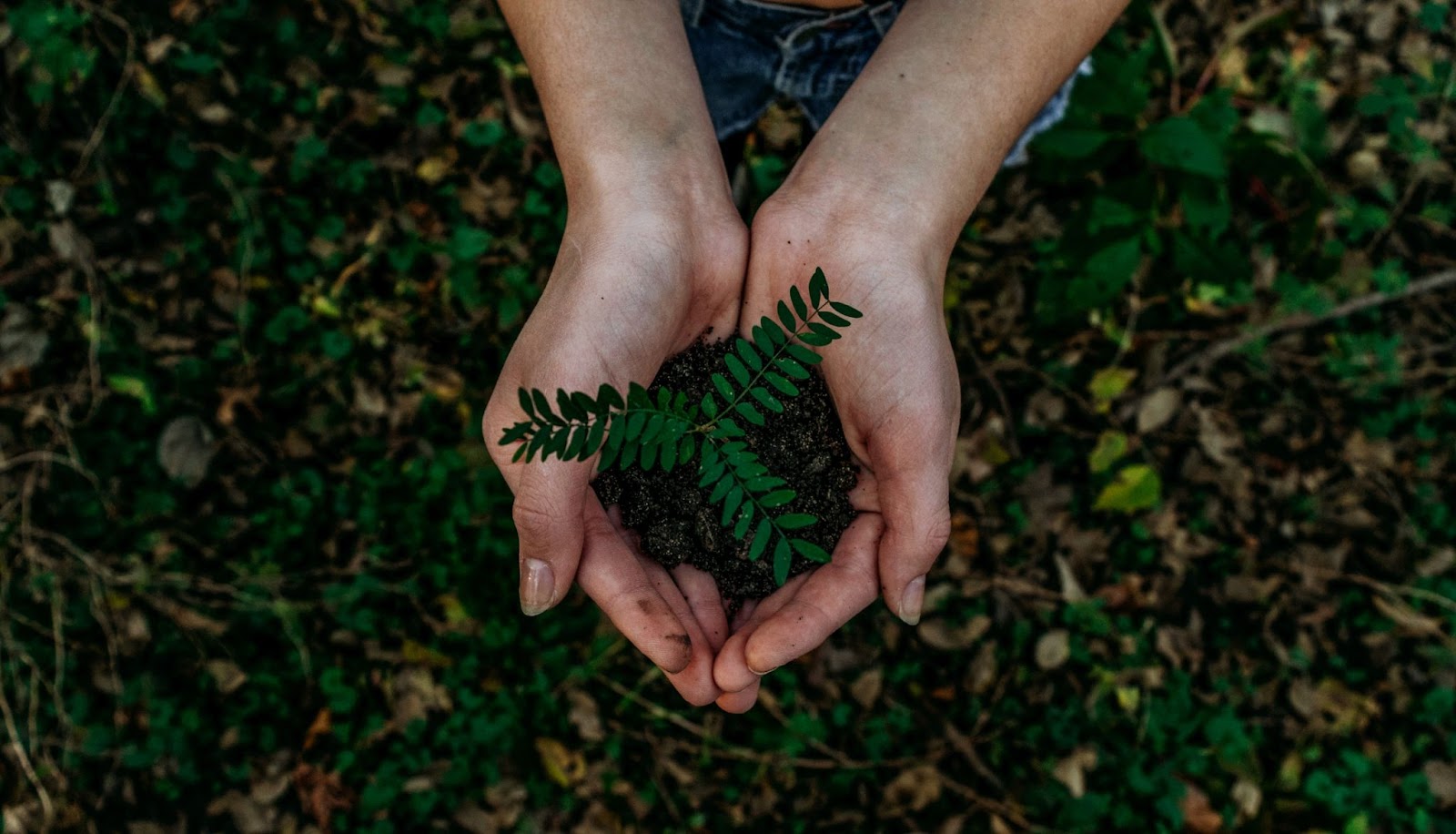
Begin by spending more time outside
In order to get your child to feel a connection to nature and grasp the understanding of our impact, getting your child outside more often will help them build an appreciation towards it. Appreciating the outdoors will eventually lead to respect for the earth. There are plenty of outdoor activities you and your child can do together such as going to the park, playing games, or even doing some gardening.
Making changes at home
There are a variety of ways you can get your kid involved in the eco-friendly changes at home. Gardening is one of the best ways to get you and your child outside. This allows them to learn about nature, biodiversity, and patience. This can also teach your child about the hard work, time, and labor that goes into growing food such as fruits and vegetables. There’s something invigorating about getting to pick your own harvest and have the chance to eat it. Getting them to experience this form of satisfaction will give them an understanding of how great it is to garden.
There are other changes that can be done at homes such as installing solar panels from one of the best solar companies, switching to Star or other low energy appliances, plus low flow toilets and showers are excellent as well. Letting your children know that you are making changes within the household will give them a gentle nudge that they should also be involved in helping the environment.
Watch movies with them
Kids are very impressionable, plus their active imaginations may need some visual assistance to help them grasp an understanding of what’s happening to the world. There are plenty of TV shows and movies that are geared towards children that do help in pushing the fact that the environment needs saving. The classic 1980s TV show Captain Planet is a good example, but a more modern take would be Pixar’s Wall-E as this movie portrays the harmful effects of consumerism.
Talk about where the trash goes
If you’re wanting to know how to reduce your eco-footprint at home then it can first begin by looking at what goes into the trash. This is something that the whole family can get behind. Most neighborhoods have a recycling collection that separates paper, plastic, metal, and everything else from each other. This gives your children an understanding of what material is what but it also helps them in understanding producing waste. Give your child a talk and landfills and why everyone needs to make more of an effort to produce less trash. Talk to them about what can have a second life and why recycling is so important.
Composting and rain collection
If you and your little ones are doing some gardening outside, then there’s a chance that you’re composting as well. Composting sounds a little complex and scary to come families but it’s fortunately quite easy to do. Composting is wonderful for the environment and it gives your children the chance to understand what can and what can’t be composted.
Composting is also something that many people don’t quite understand the benefits of, but it’s great for your gardens and the environment. It doesn’t need to be costly either, which is one of the best perks. Compost bins are quite affordable and can be found at your home improvement store.
Rainwater collection can also be very handy for your garden and it can save you money. Rainwater collectors can come in a variety of sizes from 100 liters up to 300 liters. However, you should look in advance whether or not you can collect water. Some cities, counties, and even states have a complete ban on it. So it’s best to look into this beforehand so you won’t risk breaking any laws.
Avoid buying anything brand new
One of the best ways to get your children to understand money management and the environment is through talking with them about the harmful effects of consumerism. Children are very impressionable, things are being advertised to their left and right. It makes children want things without understanding why they want them, plus it creates this expectation to keep up with constantly changing trends.
It’s so important to talk to your child as early as you can about the harmful effects of consumerism. Let them know it’s okay to want things but it can be harmful if they’re wanting things that they’re not going to use or need. Buying things that are brand new isn’t always necessary, and there are plenty of thrift shops that have affordable items. Getting into the mentality that second-hand items are just as good and that you’re helping save the environment is going to really help in the long run. This helps your family fight consumerism and stay sustainable.
Donating items
Just like it’s best to purchase second-hand items, it’s best to try and give a second life to old items. If you and your family have clothes that are no longer being worn, or your kids have toys they no longer play with, then look into getting them donated. You can donate your items to thrift shops, clothing drives, churches, homeless shelters, and plenty of other places.
This is going to help families have access to clothes and other things that they may have not been able to afford or have access to. Just make sure everything that you and your family are donating is gently used. As in, no stains, broken parts, tears, rips, or anything else in these donated goods.
Think about eco-friendly alternatives before tossing things out
Donating items is a great way to give a second life to something, but what about something that probably can’t be donated? Children tend to throw away things without putting much thought into them. Help get you and your child to think outside of the box. Ask if something can be given a second life before it gets thrown out. Can this item be recycled? Can this item be repurposed? Can it be reused? Can it be sold or donated to someone? These are some things that your family should get into the habit of thinking about before just throwing things into the garbage can.
Make goals
There’s always something new each month that your family can do. Look into making some goals with your children and see what can be obtained. Maybe make a goal about how much can be plated, or how much can be recycled. The possibilities for making goals can be endless. It’s all about making these habits enjoyable for your children so they can stay with them for the rest of their lives.