Category Archives: Health

Could You Have an Autoimmune Disorder? How to Spot the Signs

Autoimmune disorders are health conditions where your immune system begins to attack your own body. This happens because your immune system can’t tell the difference between foreign cells and your own cells, causing it to treat your cells like an illness. There are different types of autoimmune diseases, some of which are fairly common and others that are much rarer. Some autoimmune disorders that you might have heard of include rheumatoid arthritis, psoriasis, psoriatic arthritis, lupus, and some thyroid diseases such as Graves’ disease.

Autoimmune diseases can often be difficult to diagnose. Often, the symptoms can be hard to pin down or have a lot of crossover with many other health conditions. For example, many people may experience problems such as fatigue or aching muscles, which could be explained by many different illnesses or health issues. If you experience these symptoms, it can be easy to dismiss them as simply being tired or stressed. Even if you see a doctor, they can find it difficult to diagnose anything.
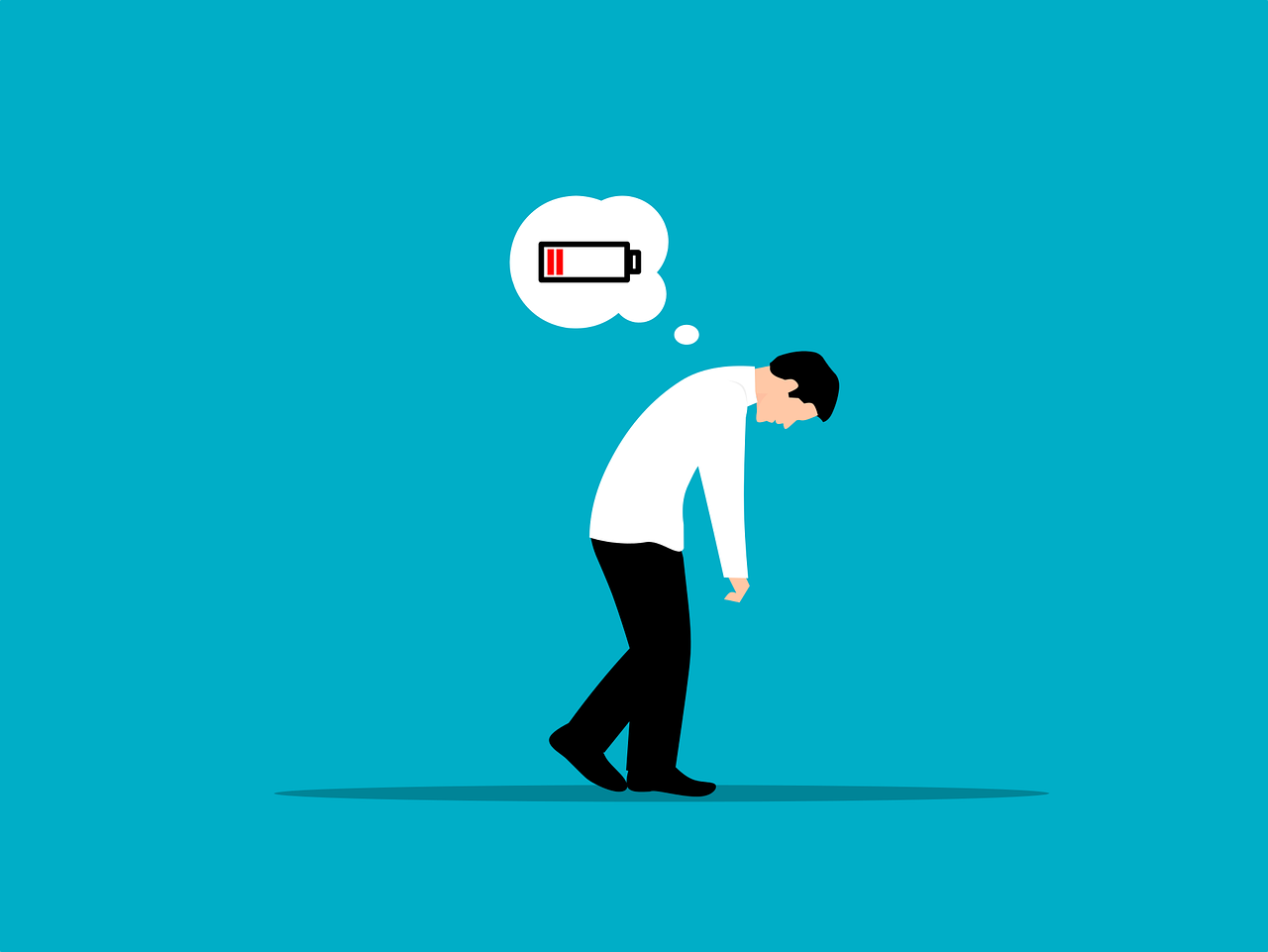
man with low energy, autoimmune, disease, tired, illness

Image from Pixabay – CC0 License

However, there are some things you can look out for that might indicate you have an autoimmune disease. If you have a set of symptoms together and have ruled out other causes, you can bring it up to your general practitioner or see a rheumatologist.

Here are some common signs that you could have an autoimmune disorder, what it could be, and what you can do next.

Common Symptoms of Autoimmune Disorders

The symptoms of an autoimmune disorder can vary, depending on the specific disease. However, there are some common symptoms that are often experienced by people with several autoimmune conditions.

Some of the common problems that you might experience include:

  • Unexplained tiredness and fatigue
  • Pain and swelling in the joints
  • Skin problems
  • Digestive issues and abdominal pain
  • Fever
  • Swollen glands

Getting diagnosed with an autoimmune disorder can be difficult. There isn’t usually a single test that you can have that will reveal whether you have one or not, and the symptoms can be attributed to many other things. However, if you start to experience new symptoms after previously being healthy, it’s important to get them checked out.

Common Autoimmune Disorders

There are some autoimmune diseases that are more common than others. Although these conditions are more likely, it doesn’t rule out the possibility of a disease that is less common. Take a look at some of the autoimmune diseases that you could be more likely to develop.

Rheumatoid arthritis – Rheumatoid arthritis is a type of arthritis that is caused by the immune system attacking the joints. It causes pain, swelling, and stiffness and usually affects joints such as the hands, feet, and wrists. People with rheumatoid arthritis can have flare-ups, where symptoms are worse. Over time, it can cause permanent damage to the joints.

Psoriasis – This is a condition that affects the skin, creating dry, scaly, and thick patches of skin. Some people with psoriasis might also have psoriatic arthritis.

Lupus – Lupus can damage different areas of the body, including the joints, organs, and skin. It can damage the kidneys, lungs, heart, brain, and blood cells.

Thyroid diseases – Thyroid diseases such as Graves’ disease (hyperthyroidism) and Hashimoto’s thyroiditis (hypothyroidism) are also autoimmune disorders that are fairly common. They can affect your weight, energy levels, mood, and more.

Multiple sclerosis (MS) – MS affects the brain and spinal cord and can result in a range of symptoms, including difficulty with movement, fatigue, vision problems, muscle stiffness, balance problems, and difficulties with learning or thinking.

Who Has a Higher Risk of Autoimmune Diseases?

Some people may have a higher risk of developing an autoimmune disease. This includes genetic factors. There is evidence that some autoimmune diseases run in families so if you have a family member with an autoimmune disease, there is a higher chance you could have it too. However, it still isn’t a guarantee that you will have the same disease. In the case of rheumatoid arthritis, being overweight can increase your chances of developing it, due to the stress put on your joints. Smokers also have a higher chance of developing a number of autoimmune disorders. Some medications can also lead to an autoimmune disease, although it’s not very common.

person with headache, autoimmune, disease, disorder, health

Image from Pixabay – CC0 License

Treatment for Autoimmune Diseases

Treatments for autoimmune disorders vary depending on the disorder. There are various medications and therapies that might be used to treat the disease and its symptoms. Steroids may be used for short periods to treat pain and other symptoms. Rheumatoid arthritis is usually treated with disease-modifying anti-rheumatic drugs (DMARD), but biological treatments offer a newer method of treatment.

People with lupus often need treatment for a number of health problems. Mild lupus may only cause tiredness and joint or skin problems, but more severe lupus can cause inflammation of other parts of the body, including the kidneys, heart, and lungs. Serious damage to these organs can be life-threatening. People with lupus may need help from doctors specializing in lupus nephritis and other problems that are caused by the disease. Some people might require kidney transplants if their kidneys are severely affected by lupus.

The thyroid condition Graves’ disease might be treated with radioactive iodine therapy. This involves taking radioactive iodine by mouth to destroy overactive thyroid cells. Other treatments can include anti-thyroid medications and beta-blockers, as well as surgery, and steroids. Hashimoto’s thyroiditis, which causes an underactive thyroid, is treated by replacing the missing hormone to relieve the symptoms.

Autoimmune diseases can have a wide range of symptoms. If you have any of the symptoms that could be evidence of an autoimmune disease, it doesn’t mean that you necessarily have one. There are many other things that some of these symptoms could relate to, from vitamin deficiencies to viruses or even stress. However, if you think that you could have an autoimmune disease, it’s important to see a medical professional and have your symptoms assessed. Doctors and other medical professionals can help to ensure the right tests are carried out and the root of the problem is discovered.

How To Cope With Chronic Pain In The Family

Chronic pain is a condition that impacts millions of people each and every year. It’s often assumed that the majority of people who experience chronic pain are older. However, this is not the case. In reality, children can also experience chronic pain in different parts of their body. So, let’s explore what you can do if this issue is impacting a member of your family

mom with sick child, chronic pain, parenting, sickness, illness, injury

Pexels Source CCO License

Identify The Cause

First, you need to make sure that you are identifying the cause of the pain that your child is experiencing. Unfortunately, this can be hard to pinpoint and there are lots of causes of chronic pain in children. For instance, it could be CIDP. According to Ameripharma one of the main symptoms of this somewhat rare condition is a severe pain or burning in the limbs. This is why you should always speak to a doctor if your child is complaining about an unexplained pain which is impacting their wellbeing. 

Try Alternate Medicine

Next, you should think about trying alternate medicines to help cope with chronic pain. There are various different types of alternate treatments that have been shown to be effective in certain medical studies. For instance, herbal medicine could be a great way to help manage levels of pain and ensure that they don’t take over your child’s life. If you live somewhere where CBD is legal, then a cannabis delivery service might be a worthwhile option to look into. It can help with joint pain and allow you to relax, plus there are lots of options to take it now, from vapes to gummies. You could also consider options like aquatherapy. Water exercises can be useful for chronic pain because they will reduce levels of inflammation in the impacting areas. Furthermore, they can also help guarantee that there is less pressure and stiffness in the joints. 

Consider Therapy 

One of the main causes of chronic pain that isn’t curable is that it does impact your mental and emotional wellbeing as well as your physical health. As a parent, it’s important not to forget the emotional toll that your child could be experiencing. That’s why cognitive therapy can be a useful treatment option. Cognitive therapy can be used to ensure that a child knows how to effectively cope with the pain that they are experiencing. They can even learn to reduce the amount of pain that they focus on consciously through CRT

Change The Environment

Finally, you might want to think about changing your child’s environment. While this won’t typically cure issues with chronic pain it can help a great deal and ensure that someone experiences low levels of pain or discomfort. One area to focus on would be your child’s bed. If they are complaining about pain in their back a firmer mattress may help provide the support that they need in this area of their body. People tend to think that a softer mattress will always be better and this just isn’t the case. 

We hope this helps you understand some of the key points that you should consider if a member of your family is experiencing chronic pain. By taking the right steps here, you can make sure that they do get the support they need and ensure that a condition like this won’t impact their quality of life.

How To Successfully Launch Your Personal Training Business

personal trainer with client, exercise, fitness, health, workout

Photo by Crosby Hinze on Unsplash

You’ve made the decision to become a personal trainer, you’ve taken all of the courses and now you’re ready to get yourself out there as a business. But you have no idea where to start. 

Research the market thoroughly

The most successful businesses know what their customers want and how to provide it for them. Don’t launch your business based on assumptions, or it could be an expensive mistake. Use questionnaires, surveys, and desk-based research to get the answers you need. From there you can start creating your business plan and brand. 

Define your brand

This might sound like pretentious marketing speech but it’s really important you develop an appealing and consistent brand in order to attract clients. For example, will you be focusing on providing services to women, men, or older people? Do you want to target those who are overweight and want to get in shape or are you specializing in working with elite athletes? While it’s tempting to try and be all things to all people, it leads to a garbled brand that doesn’t really appeal to anyone. 

Invest in your online presence

It’s important that you establish yourself where your target audience will be looking. For example, you should have a professional-looking website with all relevant information on it. You could even add a blog or videos on there too. Spend some time on your Google My Business listing too, as this will improve your search results. If you aren’t very technical, you might want to invest some money in having a professional set all of this up for you. There are sometimes grants or loans available to help you get started when launching a business. Check with sites like compare credit to make sure you’re getting the best deal on any borrowing. 

Get on social media

Health and fitness are big businesses in today’s world. Social media channels are filled with content surrounding it. That’s because this is where your target audience is. Research the market and your competitors and concentrate on one or two platforms. This could be Facebook, Instagram, YouTube, TikTok, Pinterest, or Twitter. The sheer number can feel overwhelming so learn one at a time and focus your energies on this one to build engagement. 

Set up a referral scheme

When choosing personal trainers, people will often ask for recommendations from friends, family, or colleagues. Incentivize your clients to refer you to people they know. This can be in the form of free training sessions, money off, gifts, etc. If people are happy with your service, they’ll be happy to recommend you and a good referral scheme will give them that extra reason to do so. 

Takeaways

Running a successful personal training business rests on both being a competent professional and marketing your business well. No matter how good you are at your job, it will be very difficult to build up a client base if you are promoting yourself and getting your name out there for people to find.