Category Archives: Going Healthy

Read This Before Buying Health Insurance

health insurance, healthy living, family, healthy, fitness, money, finance
https://www.pexels.com/photo/bright-cardiac-cardiology-care-433267/

There are many different factors you need to consider when choosing the ideal international medical insurance plan for your requirements. One thing you need to look at is the benefits you have available to choose from. This includes everything from maternity care and dental care to vaccinations and optical care. When health plan shopping, one important benefit that a lot of people have a tendency to overlook is evacuation. In this post, we will reveal everything you need to know about international evacuation coverage and why it is so important when you are taking out a global health insurance plan.

First and foremost, it is imperative to explain what this benefit is; evacuation coverage ensures all costs are covered in regards to any transportation that is required when transferring you from your local hospital or area to a medical center that is more suited to your needs. Therefore, if you fall ill and you find your local hospital is not equipped to deal with your illness and provide you with the treatment you need, you will have to be transferred to another medical centre, and evacuation coverage will ensure you do not have to foot the bill for this.

A lot of people have a tendency to assume that this is an unnecessary benefit. They believe that it is highly unlikely that they will need to be transferred from one hospital to another. However, while this may not be necessary in your home country, it can certainly be the case if you are an expat. A lot of locations do not have the equipment, facilities and personnel to deal with certain conditions and, therefore, patients need to be referred to a different medical centre, which will usually be in the capital city of the country. However, in some instances, this can mean that the individual needs to go overseas for their treatment.

The cost of transport certainly isn’t cheap. An air ambulance can cost an extortionate amount of money. This is dependent on the country where you are based and the country you need to go to. Nevertheless, you can expect this to cost in the region of $25,000 at a minimum. It is unlikely that this is something most people can afford, which is why evacuation coverage proves to be such a vital part of international health insurance.

This also demonstrates why it is important to consider your policy’s annual limit extremely carefully as well. Many policyholders make the blunder of setting their annual limit too low and they get caught out. But, when you consider how expensive evacuation can be, you see why it is worth paying higher premiums to benefit from a high annual limit. After all, not only will you have to pay for the air ambulance, but also you will have to pay for the medical support you received in your local area as well as the medical treatment you received once you were transferred to a hospital that was more suited to your needs. If your annual limit does not cover all of these costs, you will need to pay the difference.  

In addition to the points that have already been mentioned, you also need to consider the fact that medical evacuation often involves a lot more than a mode of transport. In most cases, it is a lot more complicated than this, as many patients will require the use of oxygen or any other type of specialist equipment that can ensure they remain safe during the journey. This, of course, means that further costs are entailed. Still in case you require detailed information on this concept, you can read more here now. There are many facts and figures to explore when buying health insurance.

The main reason people do not add evacuation to their policy is quite simple – they don’t feel it is in their budget. However, what you need to think about is the fact that medical evacuation cannot be avoided if you are extremely ill and in desperate need of specialist care. So, if you do not have substantial global health insurance in place, you will definitely be faced with the bill. Most worldwide medical insurance providers offer a monetary limit between $25,000 and $100,000 when it comes to this benefit, which displays just how expensive emergency evacuation is. Is this something you could really afford to fund yourself? Plus, by going for a high coverage policy, there are so many great extras included, from medical products, like the best medical alert system, to dental care, maternity care, and such like.

If you really feel that emergency medical evacuation is out of your budget when it comes to international health insurance, it is worth doing some research into the facilities that are available in your country or the country you are moving to. You will be able to understand whether the hospitals nearby have any limitations. If there is a distinct lack of equipment, facilities or personnel for certain treatments, then you do need to push evacuation to the top of your benefit list when choosing a global medical insurance plan. This may mean that you have to sacrifice another benefit instead, but if there is a high chance that you will need an air ambulance or any other type of hospital transport if you fall ill, then it will be worth it. However, if your area provides everything you could need in terms of treatment, then your need for evacuation coverage won’t be as great.

All things considered, hopefully, you have a much better understanding of what international evacuation coverage is and why it is important. Of course, for some people it is more important than for others, yet it is certainly not something that should be overlooked. If you are still feeling unsure as to whether this is a benefit you should pay for, you need to take the advice that was provided regarding assessing what is available in your local area or the area you are moving to, and this will help you to determine how great your need for evacuation coverage is. If you are feeling unsure, the best thing to do is call your international health insurance provider, and they will help you to determine what is best for you and they will talk you through everything you can expect when choosing evacuation coverage for your global medical insurance plan.

Is Sunscreen Safe for Kids?

Did you know the Friday before Memorial Day is National Sunscreen Day (aka “Don’t Fry Day”)?

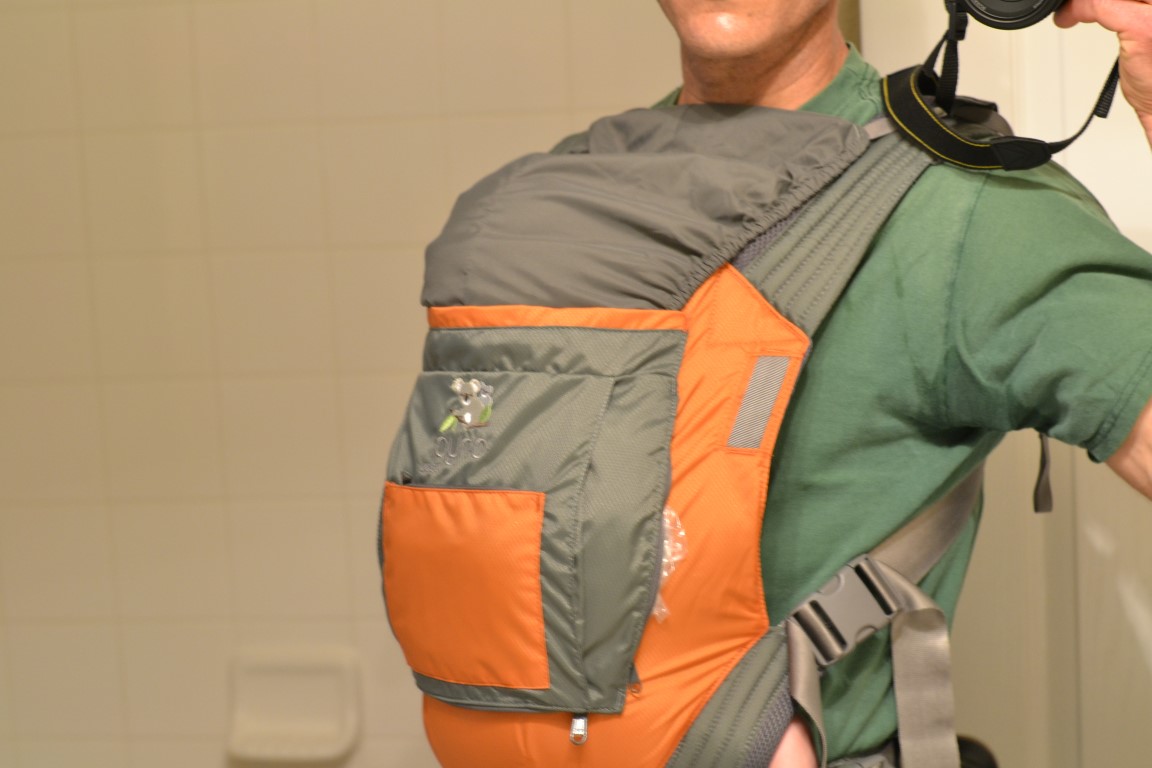
I used to forgo sunscreen all of the time. Going Mom would always get on to me about needing to protect my skin, but I would just wave it off and go about my day ignorant to how the sun affects me. At least I played it safe for my kids when they were babies and kept them covered our Onya Baby carrier.

sunscreen, baby carrier, summer, memorial day, sun, protection, baby wearing
Covering our precious cargo before walking with the original sunscreen.

If sunscreen were food, I would’ve spent hours researching it trying to decide what is good, what’s bad, and the ingredients that make it so, but this is an area I overlooked. Anyone who knows me, knows I’m very peculiar about what I eat, but I need to be more aware of other things that threaten my health as well. Like, for instance, sunscreen!

After a run.....and no sunscreen.
After a run…..and no sunscreen.

Kelley did her research and bought Organic Badger Baby Sunscreen to put on Avery. You’d think I would’ve just put some on myself at the same time, but that’s part of my stubbornness.

I hate rubbing it in because it gets caught in my arm and leg hair too much. Good reason, right? Since my dear wife is persistent about getting me to use sunscreen (I guess she loves me or something!), I thought I’d be smart and just buy a spray version; problem solved!

Nope, problem not solved! Now she was on to me about how bad the spray kinds are, especially for kids! Well crap, will I ever get it right?! I blindly argued that there’s no difference even though I had no clue about sunscreens. Kelley, on the other hand, had been reading several sources on the subject.

Needless to say, Kelley sent me links to prove why certain sunscreens are harmful and I finally admitted defeat. Note to self, don’t argue about things you have no clue about for so long; it gets you nowhere! Double note to self; just don’t argue with your wife….EVER!

I promptly returned the toxic spray sunscreen.

Here’s a quote from the link Kelley sent me regarding sunscreens:

Could nanoparticles cause internal damage if they penetrate skin or are inhaled?
Yes.  Though sunscreen lotions do not pose penetration concerns, inhalation of nanoparticles particles is dangerous for many reasons.  EWG strongly discourages the use of powder or spray sunscreens using titanium dioxide or zinc oxide of any particle size.

Read the full article from the Environmental Working Group here.

Now, on to the question of this post; is sunscreen safe for kids? Like most answers out there, yes and no. There hasn’t been enough research to definitely say sunscreen is harmful, but the effects are greater on a babies than older children and adults.

From what I read, it’s best not to apply sunscreen to babies under 6 months and to avoid the sun as much as possible. Sorry, Avery, we already messed up there. Forgive us, please?

The FDA has an informative post on the topic of sunscreen for babies along with useful tips on keeping baby safe in the sun.

  • Keep your baby in the shade as much as possible.

  • Consult your pediatrician before using any sunscreen on your baby. If you do use a small amount of sunscreen on your baby, don’t assume the child is well protected.

  • Make sure your child wears clothing that covers and protects sensitive skin. Use common sense; if you hold the fabric against your hand and it’s so sheer that you can see through it, it probably doesn’t offer enough protection.

  • Make sure your baby wears a hat that provides sufficient shade at all times.

  • Watch your baby carefully to make sure he or she doesn’t show warning signs of sunburn or dehydration. These include fussiness, redness and excessive crying.

  • Hydrate! Give your baby formula or breast milk if you’re out in the sun for more than a few minutes. Don’t forget to use a cooler to store the liquids.

  • Take note of how much your baby is urinating. If it’s less than usual, it may be a sign of dehydration, and that more fluids are needed until the flow is back to normal.

  • Avoid combination sunscreens containing insect repellants like DEET. Young children may lick their hands or put them in their mouths. According to the AAP, DEET should not be used on infants less than 2 months old.

  • If you do notice your baby is becoming sunburned, get out of the sun right away and apply cold compresses to the affected areas.

The Badger sunscreen only has zinc oxide as an active ingredient and works great for everyone in our family. The EWG rates this sunscreen very high on their list.

EWG Badger Baby Sunscreen Rating

Unlike chemical-based sunscreens that are absorbed into the skin, zinc oxide and titanium dioxide sit on top of the skin. A benefit of this, besides not soaking into your skin (did you know your skin is your biggest organ and absorbs so many chemicals each day?), is that they start working upon application. The chemical kind needs 15 – 20 minutes to allow time for absorption before they begin to protect.

An article on BabyCenter.com explains this in detail and is yet another post worth reading. As mentioned in the article, never trust the label on products and make sure to scrutinize the list of ingredients. Hey, that’s like I do with food; now we’re talking my language!

The takeaway from all of this can be summarized in a few bullet points:

  • If possible, avoid exposing a baby under 6 months to the sun altogether.
  • If not possible, keep baby under shade and/or use a sunscreen with only zinc oxide or titanium dioxide as the main ingredient.
  • Do not, under any circumstances use a spray sunblock on yourself or baby.
  • Don’t trust the labels! Please read the ingredients and know what you are slathering all over yourself and your precious child!
  • I’m an idiot for doubting my wife and taking so long to acknowledge that she was right.

Thank you, Kelley, for “exposing” me to the reality of sunscreen! Now we’re having fun in the sun and keeping safe!

#MySundayPhoto, swimming, cold thermogenesis, pool, kids, parenting

Please, have fun and keep yourself and your little ones safe out there!

For a full list of safe sunscreens for the entire family, check out the EWG’s list. And, last link, here’s a list of ones to avoid.

Do you use sunscreen for yourself or your baby?

Have you strained to find the right kind or are you like I was and never thought much of it?

How To Stay Healthy At Work

Developing healthy habits in the workplace is a mental venture as well as a physical one. It’s important to be in the right frame of mind to reach your full potential, and this can be affected by all manner of different triggers.

healthy, work, lifestyle, nutrition, exercise
Image Source

Start With Nutrition

Every good day starts with a healthy breakfast! You need to begin with a nutritious, carb-focused and protein filled meal to give you the energy to work through until lunch, and avoid giving into unhealthy sugary snacks or caffeinated drinks. If you have time in the morning, whip up an omelette, make some fresh porridge or blend some of your favorite fruit and vegetables together to make a smoothie. If you’re usually in a rush, grab some fruit and greek yogurt, or prepare some overnight oats before you go to bed to eat on the go. Snacking at work is commonplace, and it’s likely your colleagues will be around to offer temptations. By giving into the treats, your body will get an instant rush of sugar, but this won’t last long. You will slump shortly after when its dispersed and has been absorbed,  and you’ll be left feeling lethargic and peckish until you get another bite. To combat these types of cravings, ensure you bring more nutritious options to work of your own – some great and easy options include carrot or celery sticks with hummus, sweet or salted popcorn, or any portions of your 5-a-day. When it comes to eating lunch at work, its best to plan ahead and make something of your own. Shop bought meals are often very high in salt and fat, so opting for a healthy homemade dish will keep your energy levels stable until it’s time to go home. However, don’t forget to treat yourself every now and again. After all, you deserve a reward for working so hard!

Stay Hydrated

There is nothing more important for the human body than drinking water. It’s so easy to lose track of how much of the clear stuff you’ve had to drink each day, but even slight dehydration can leave you feeling nauseous and fatigued. The human brain is made of around 75% water – by not drinking enough your circulation is forced to slow meaning less oxygen can travel around the body, and to the brain. This can most certainly have an affect on your mood, leaving you unfocused and foggy. To combat these symptoms, you should aim to consume around 8 glasses (2 Litres) of water each day, and a simple way to check your hydration levels is by passing urine: a light colour means you’re doing fine. If you’re not so keen on the taste of water on its own, try adding a sugar-free fruit cordial to give it more flavour, or some refreshing herbs and fruit wedges such as mint and lemon or lime.

Be Active

If you work in an office or in front of a computer, it’s essential that you get outside to exercise and give your eyes and lungs a much needed break. Sitting down at a desk shroud by artificial light and air conditioning all day can leave you feeling lethargic and slow, but going for a brisk walk or heading to the gym after work will release endorphins making you feel more energised. The same endorphins (medically known as Serotonin) can relieve symptoms of anxiety and depression, and make stress much easier to handle. Much like drinking enough water, doing regular cardio increases blood flow to the brain, leaving you more alert and focused. It also helps your body in gaining the vital strength it needs to fight off any illness or disease, meaning less sick days and better long term productivity. If you find yourself seated for most of the day, stand up and stretch as frequently as possible – run on the spot to encourage blood flow and stretch your back and neck regularly to avoid aches and pains from bad posture.

Know When To Switch Off

Sometimes it’s hard to find a good work-life balance. Problems aren’t always left at the desk; they can follow you home and whirl around your mind whilst you lay in bed, stopping you from sleeping and making you feel like your shifts never end. One of the easiest ways of separating work from home is by having a simple ‘end of shift’ routine. Washing up your coffee cup, switching off your laptop and moving any documents out of sight can send an effective signal to the brain that you are no longer on the job, helping you to wind down and focus on relaxation. Use the time of your home commute – listen to an audio book or some calming music and choose a quieter more scenic route. It’s necessary for your body to get at least 7 hours of sleep each night; meditation is a wonderful way of cleansing the mind of the days worries, and can give you a clear mindset to drift off with more ease.

What To Do If It All Goes Wrong

Illness can strike at any time, no matter how much effort you put into your health and nutrition. It’s essential to have a plan in place if something unexpected were to happen, as workplaces are not always sympathetic in situations of absence. Getting health insurance should be a top priority, as it will give you peace of mind if anything were to happen and also give you the necessary means to survive a break from employment. Make sure you let your boss know about any health problems you have when you start your job, as this can help them to help you. Let them know of any medication you need, so they can give any details to assist in an emergency situation.

Hopefully these useful tips will aid you in staying healthy and happy at work, allowing you to thrive and do your job to the best of your ability whilst maintaining good energy levels and handling stress appropriately!