
All posts by R.C. Liley

I'm an ex-mutual fund accountant who left the cubicle world to be a stay-at-home dad to my beautiful little girl, Avery, who entered our life on 11/15/13 and handsome little boy, Wes, who joined our family on 11/19/17. Also happily married to my wife, Kelley, as of 8/17/07. Sorry ladies... :) Fitness and nutrition is of the utmost importance in our family and we strive to reflect this in our daily life. I always prepare our meals at home and only go out if it's a special occasion, and even then I tend to not get much. Food should be fun and a joy to eat, not something quickly consumed from a fast food chain or scarf down before the next meeting. I have come from strictly logging high miles to train for the next marathon to keeping exercise varied and focusing more on strength. I still enjoy going for a run when I can, but nothing crazy, and I prefer hill sprints while pushing my daughter, Avery in the stroller. She loves it and I get a great workout! I want to show the world how to appreciate their body and feed it real, wholesome food while moving more throughout the day. In doing so, everyone would be healthier, happier, and we'd all live in a better place as a result. I blog mainly about my life as a stay-at-home dad and frequently include reviews, participate in campaigns, and share my thoughts on fitness and nutrition. If you ever have any questions or thoughts to share, please reach out as I'm always open to listening or helping others however possible. That is, when I have free time since Avery is and my wife are the number one priorities!

5 Ways To Adapt After A Life-Changing Medical Diagnosis

Man watching sunset, stress, deep thoughts, new life

Image Credit

It’s no secret that life is an unpredictable journey. You’ll often experience unexpected turns that challenge your resilience, strength, and faith, and one such example is receiving news of a life-changing medical diagnosis.

Some people might get told they’ve developed a chronic illness; for others, it could be a debilitating condition like multiple sclerosis or cerebral palsy.

If you’ve recently received news of such a life-changing medical condition, you will doubtless be experiencing an array of emotions and feelings. You may even feel like your life as you know it is “over” – however, that likely isn’t necessarily the case.

Take a look at the following five ways you can adapt your lifestyle to navigate this unknown terrain gracefully and with empowerment in mind:

1. Work With The Right Medical Professionals

It stands to reason that you must work with the right medical professionals who understand your condition and will provide you with the compassionate care you need.

Whether you need to seek out techniques for better management of Multiple Sclerosis or want to learn of the best medication to help you deal with pain, it makes sense to seek out the best people to help you achieve your goals.

2. Make Sure You’re Eating Healthily

Even if your doctors didn’t give you a medical diagnosis that could ultimately change how you lead your life, it’s still essential to prioritize healthy eating. There’s plenty of fact-backed science to prove that eating nutrient-rich foods provides numerous health benefits.

For example, some foods help with pain relief and a calm state of mind, while others can improve your immune system. Consider consulting a nutritionist to build a personalized meal plan tailored to your health needs.

3. Prioritize Your Mental Well-Being

Your mental well-being is just as important as your physical one. As time passes, you will likely face tough challenges that can negatively impact your mental health, so seeking support from loved ones and mental health professionals is paramount.

Develop a strategy that works best for you, such as engaging in mindfulness practices, meditation, and therapy sessions to cope with any additional anxiety and stress caused by your medical condition.

4. Look At How You Can Adapt Your Home

Your home is your sanctuary from the outside world, a safe place to relax, heal, and work on staying healthy and happy. It’s worth exploring ways to adapt your living space to accommodate your new lifestyle needs.

Focus on making your abode a safe, peaceful, and calming environment that aids your specific medical management requirements. Have any clutter removed that could cause safety problems.

5. Investigate Assistive Technology For Your Needs

Finally, it’s worth remembering that assistive technology is helpful and necessary for anyone with a life-changing medical diagnosis. As you can appreciate, each person has unique requirements, so it’s worth exploring options and solutions tailored specifically to yours. Examples include mobility aids, smart home adaptations, and communication devices that make it easy to contact relatives and healthcare workers – especially if an emergency occurs at home.

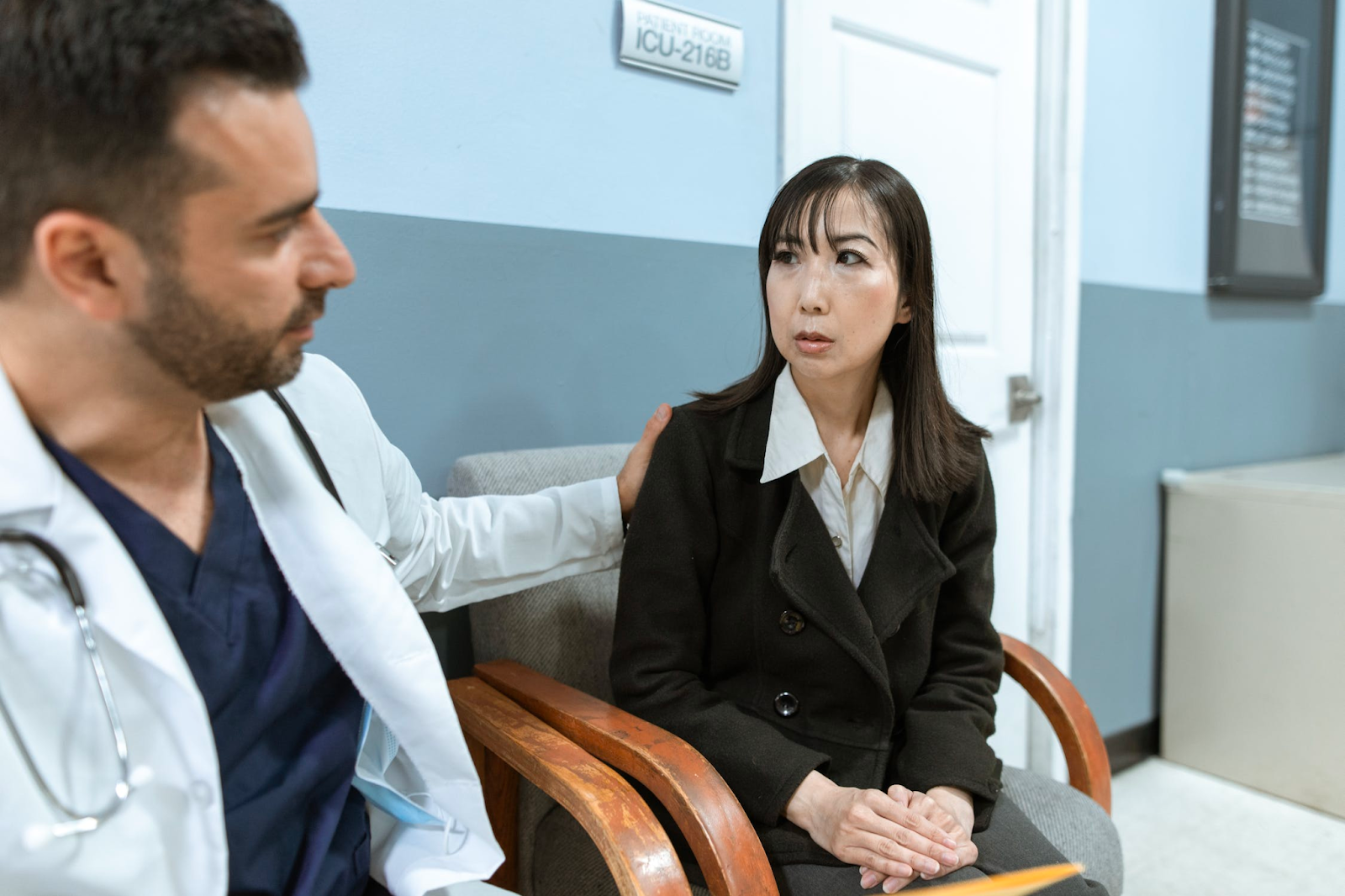
What to Do If You Think You’ve Received a Wrong Diagnosis

doctor with patient, diagnosis, health, sickness, illness, hospital,

Image from Pexels – CC0 License

Doctors may be highly educated, but that doesn’t mean they’re infallible. Just like anyone else, they’re capable of making mistakes. Although you should be able to trust doctors, they’re not perfect, and there are times when they get it wrong or you might doubt what they have to say. Ultimately, you’re the one who is in charge of your health and medical care. If you think that you have been given an incorrect diagnosis by a doctor or another medical professional, you don’t have to accept it. There are steps you can take to ensure you get the right diagnosis and the best recommended treatment.

Go Back to Your Doctor

You might want to start by returning to the doctor you saw originally. This is particularly important if you’re experiencing new symptoms or any existing symptoms have got worse. Providing your doctor with new information can help them to assess your health more accurately, which could mean they change their mind about your diagnosis. Good communication between doctor and patient is important. If you’re unsure of your diagnosis, communicating that to your doctor could be the first step to checking whether it’s accurate and determining if your doctor needs to reassess. Once you have a new diagnosis, you may want to think about talking to a patient care advocate who can help you with managing your condition and care.

doctors in office, diagnosis, health issues, healing

Image from Pexels – CC0 License

Get a Second Opinion

A second opinion from another doctor or medical professional can also be really helpful if you think you might have been given an incorrect diagnosis. In fact, many doctors will refer you to someone else or encourage a second opinion if they’re unsure about a diagnosis themselves. Getting a second opinion could include seeking out a specialist, if you’ve previously only seen a general practitioner. Or if you’ve already seen a specialist, you might look for someone different or someone with a particular interest in and experience of the medical issues that you are having.

Pursue Legal Avenues

If you determine that a medical professional misdiagnosed you, you might be interested in seeking some kind of compensation for that. Maybe you simply want an acknowledgement of the incorrect diagnosis, or perhaps you’re seeking financial compensation. Speaking to a medical malpractice lawyer is a good first step if you think you might have a legal case. You can get advice on your case and find out about potential outcomes. It can sometimes be a complicated legal area, so it’s smart to get advice from a qualified attorney who has experience specifically in medical malpractice.

Image from Pexels – CC0 License

Focus on Your Health

No matter what you decide to do, your health should be your priority. If it turns out you were misdiagnosed, getting the correct diagnosis and treatment should be the first thing that you think about doing. Even if you decide to pursue a legal case, be sure to allow yourself time to focus on your health and seek the right treatment. If there are any health consequences from the misdiagnosis, these are important to address too. Or if it turns out you had the correct diagnosis, you might want to access some resources to process it.

Getting an incorrect diagnosis is always a possibility. If you think it’s happened to you, there are several routes you can take to work out what happens next.

5 Ways To Be Firm But Fair When Your Teen Makes A Mistake

stressed out dad pulling his hair, teenagers, raising kids, growing up

https://unsplash.com/photos/_LZbDkRaedE

Parents dealing with teen troubles is not new. It’s not out of the realm of possibility that these issues go all the way back to the first men and women who heard their teens slam the cave door after storming off. You expect teens to be moody and difficult, but some teenagers can be worse than others. As they find themselves, they may veer too close to dangerous behavior and make a mistake that could ruin their life before it’s begun. But it doesn’t have to as long as you know how to be firm but fair with your teen when they make a mistake. 

Establish Boundaries 

As kids grow older, they want more freedom, but you must be careful about how much freedom you allow them. They want to hang out with friends and may go out and come back at unsociable hours. This is nothing to worry about as long as they aren’t getting into trouble. However, it becomes a problem when it affects their school work and health. While you can’t keep them cooped up forever, you can make sure they get their work finished before going out with their friends. 

Find The Root of the Issue 

Sometimes, it’s not just teenage hormones. Instead, there could be a much deeper problem you need to address, so try to discover why they are acting out and whether you can do anything about it. After your teen has made a mistake, they will be at their most vulnerable, but that might make them more comfortable speaking to you about what has happened and why they did it so you can have some clarity and fix it. 

Stick to Your Guns

While you want to be gentle with your teen after they’ve made a mistake, you should still stick to your guns. Don’t change your parenting approach entirely just because they messed up. They might feel bad enough as it is, and the last thing they want is a lecture, but don’t let them use their problems against you to take advantage of them. While they are getting older, they are still your responsibility.

Show Them Support 

You will also need to show them support and remind them that you will be there for them no matter what. Depending on what they did, you can use your network or the internet to find legal representation. One example is finding a dedicated lawyer from McCoy & Hiestand to help with driving violations, especially since your teen is such an inexperienced driver and you may need dependable support from professionals. 

Let Them Learn From Their Mistakes 

If your child is mature enough, they will take this opportunity to learn from their mistake and become better. Many people embrace their missteps as a way of building resilience and showing them the reality of the world. It may take time for them to accept it, but they will become a better person because of it. 

Tough Love 

Many parents find it tricky to get the balance right between treating their kids well but also ensuring they do not roll over to every demand. How you act after they make a mistake is vital, as it will set the tone and hopefully mean they learn their lesson and start taking themselves and the world more seriously.